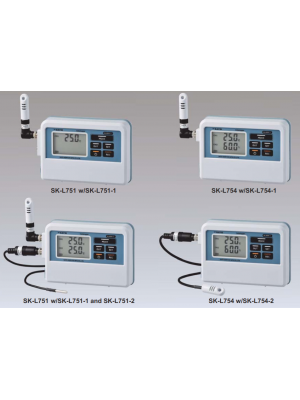
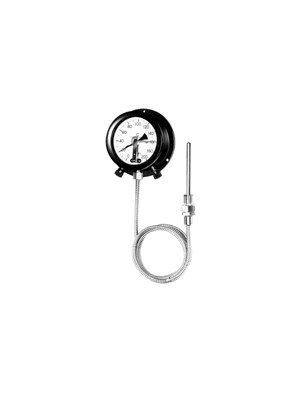
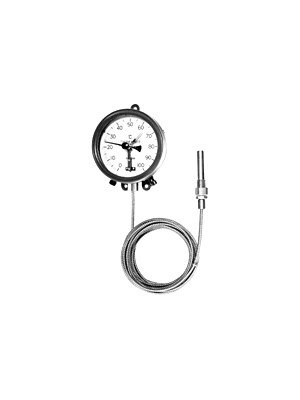
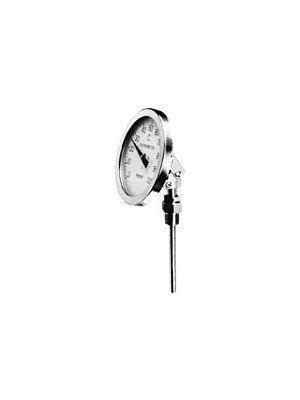
Industrial Temperature Measurement Instruments
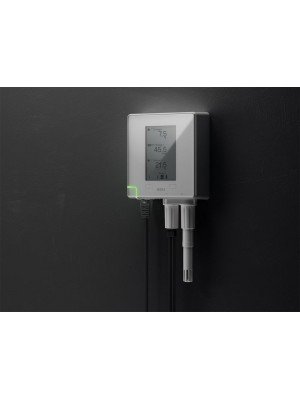
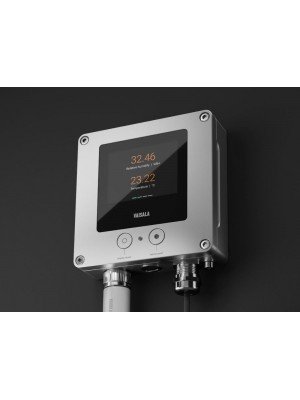
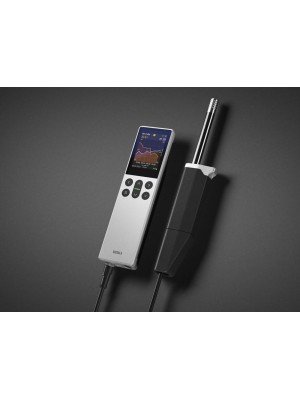
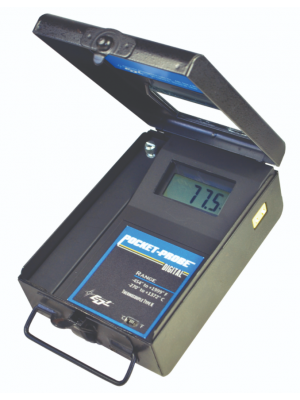
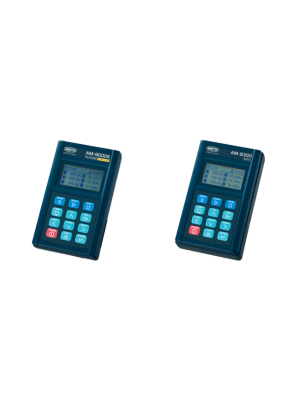
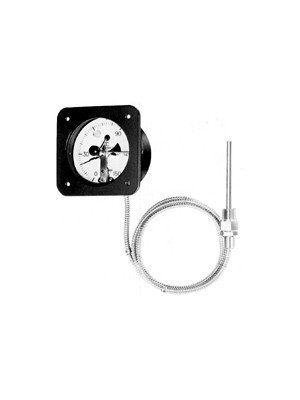
Seacom supplies industrial thermometers, temperature probes, data loggers, transmitters, recorders and calibration equipment for portable measurements, production processes, laboratories, food manufacturing, HVAC systems, cold storage and regulated facilities.
The correct temperature instrument depends on the measurement target, temperature range, required accuracy, response time, sensor type, number of channels and whether the application requires local indication, data logging, alarms or connection to a control system.
Choose the Correct Temperature Instrument
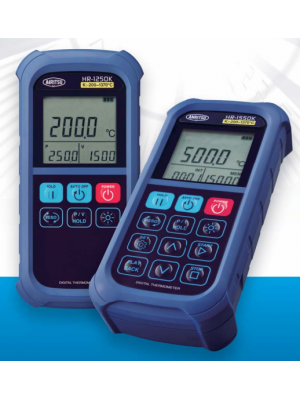
- Handheld contact thermometers: Portable temperature checks using an application-specific surface, air, liquid, penetration or moving-object probe.
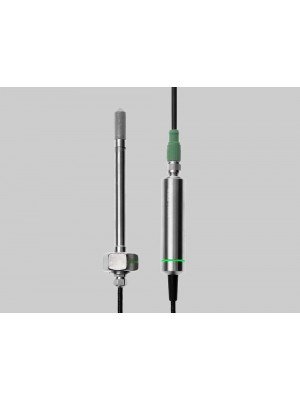
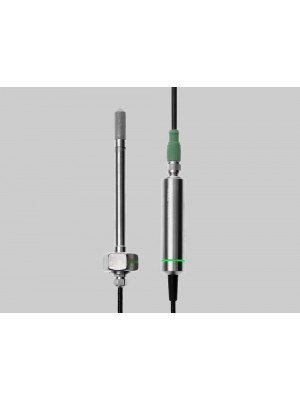
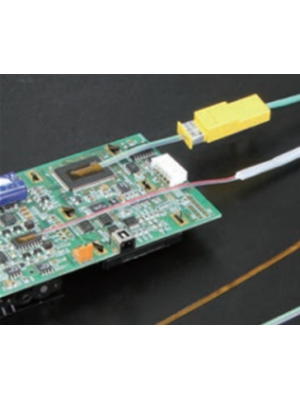
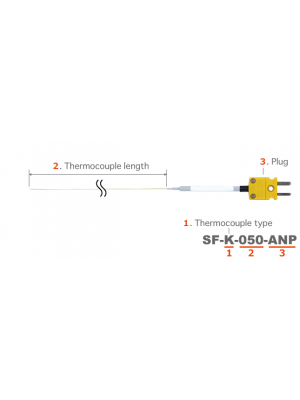
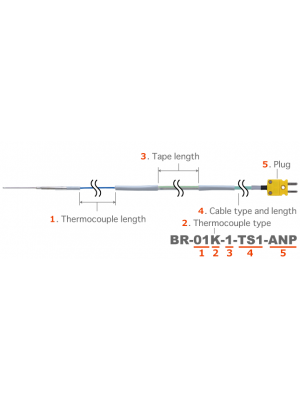
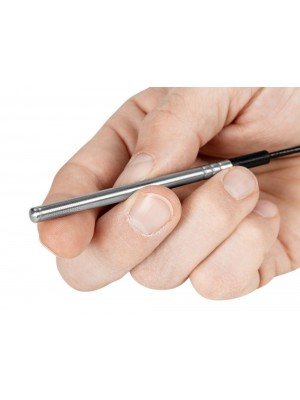
- Temperature probes: Thermocouple, RTD and specialised sensors designed to make reliable contact with the actual measurement target.
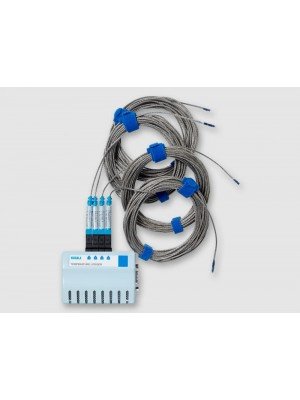
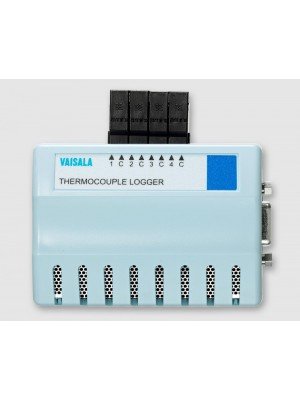
- Multi-channel data loggers: Record several measurement points together for temperature profiling, validation and equipment troubleshooting.
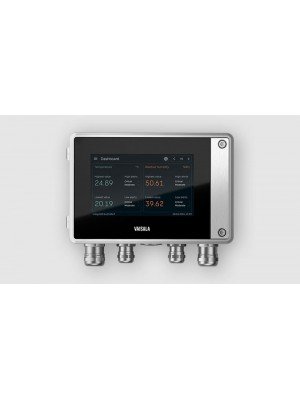
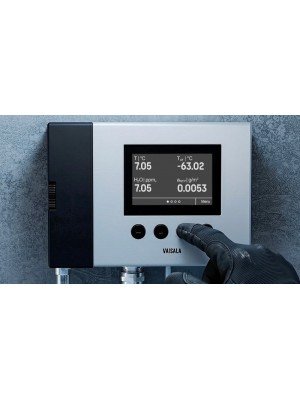
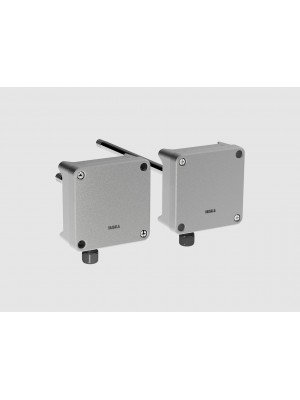
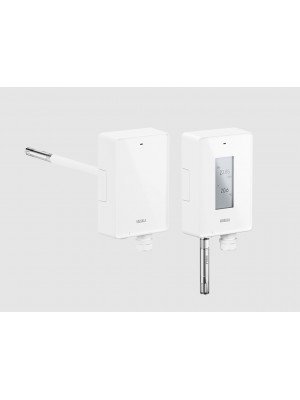
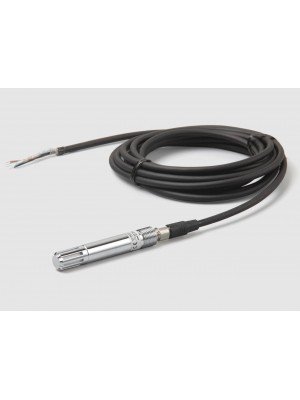
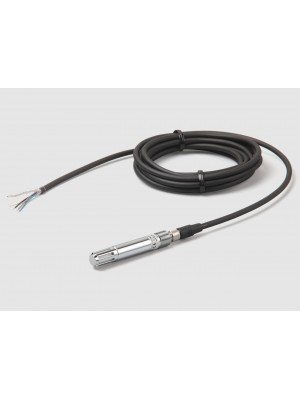
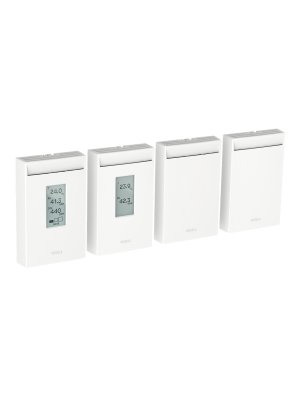
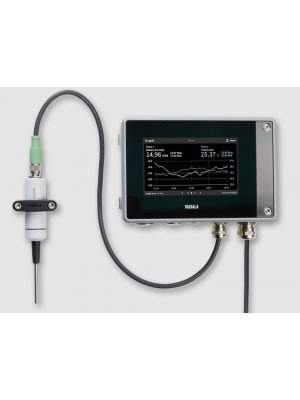
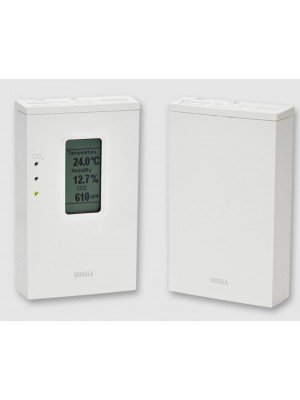
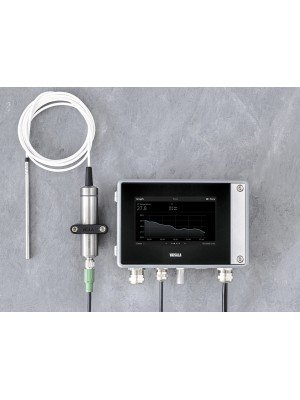
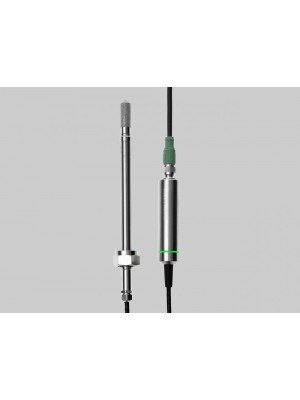
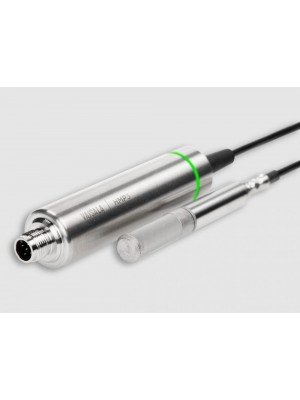
- Temperature transmitters: Continuous measurement with analogue or digital outputs for PLC, BMS and process-control systems.
- Infrared thermometers: Non-contact measurement where the surface is moving, very hot, inaccessible or unsafe to touch.
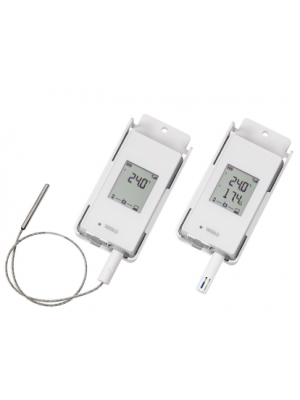
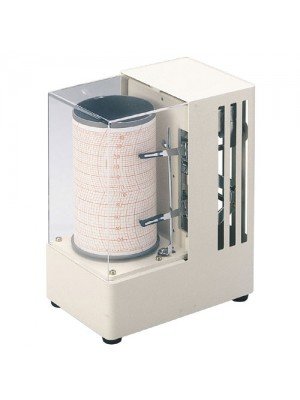
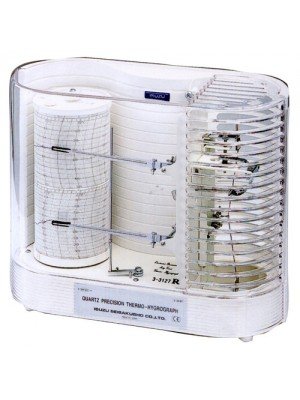
- Environmental data loggers: Record temperature or temperature and humidity in warehouses, laboratories, cold rooms and production areas.
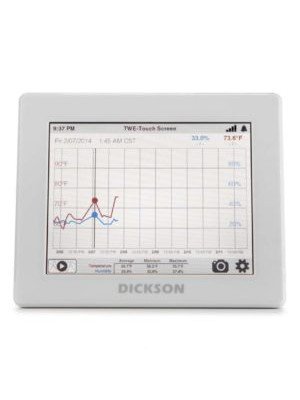
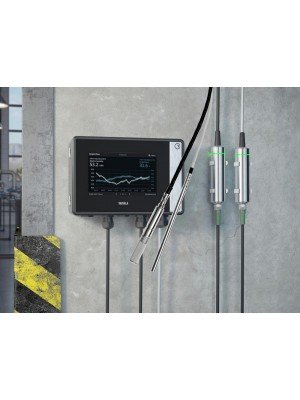
- Continuous monitoring systems: Centralised records, alarms, audit trails and reports for pharmaceutical, healthcare and other regulated facilities.
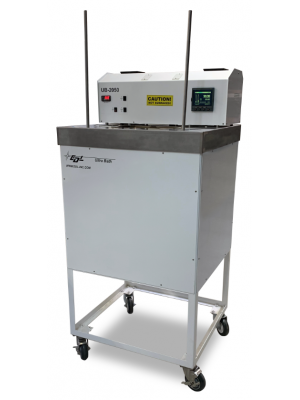
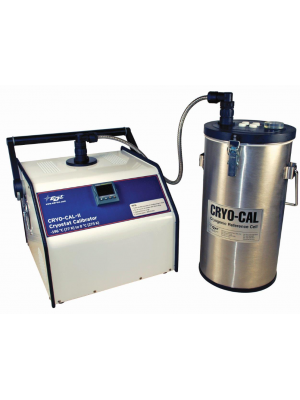
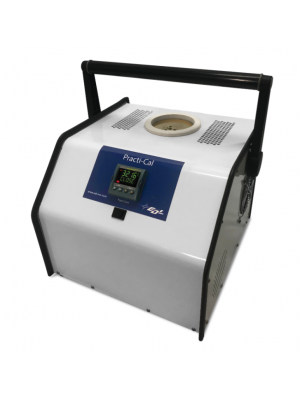
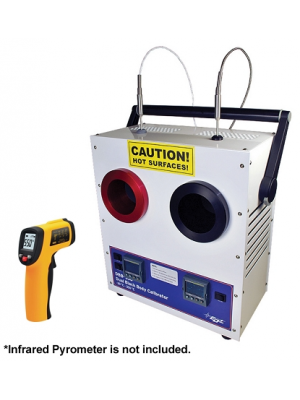
- Temperature calibration equipment: Verification and calibration of thermometers, probes and temperature sensors at defined test points.
Temperature Instrument Selection by Application
Selecting the Right Temperature Probe
The thermometer and probe must be selected as one measurement system. A highly accurate indicator cannot compensate for poor sensor contact, unsuitable probe construction or incorrect installation.
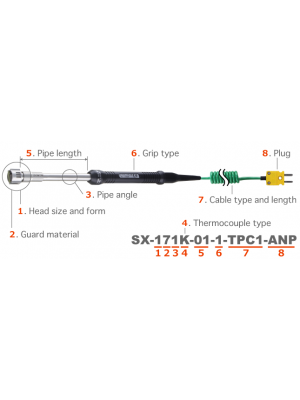
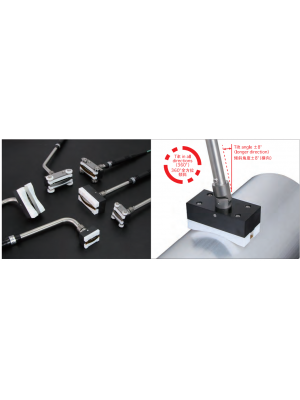
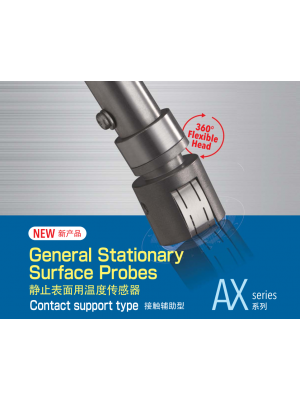
- Stationary surfaces: Use the Anritsu SX Series. Its flexible sensing head follows the target surface and maintains reliable contact even when probe alignment is not perfectly perpendicular.
- Moving or rotating surfaces: Use the Anritsu UX Series for rollers, belts and other moving or rotating targets. Its contact-support design helps stabilise the sensing head during measurement.
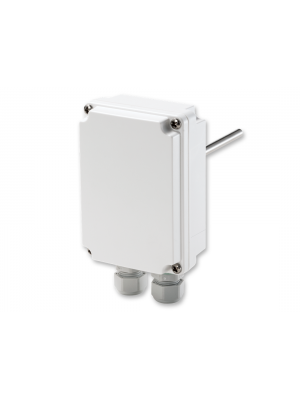
- Air temperature: Use the Anritsu AT Series. Different sensing-head constructions are available to balance response time, durability and maximum operating temperature.
- Liquids and process gases: Use the Anritsu SHEATH Series. Select the sheath diameter, material, thermocouple type, junction, immersion length and optional chemical-resistant coating according to the process.
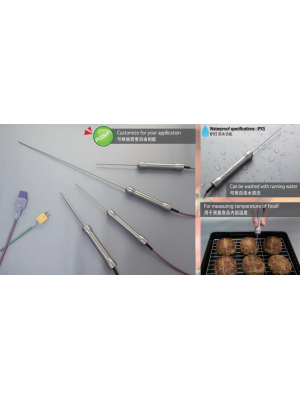
- Food and soft materials: Use the waterproof Anritsu BC Series for hygienic centre-temperature measurement of food, liquids and semi-solid products.
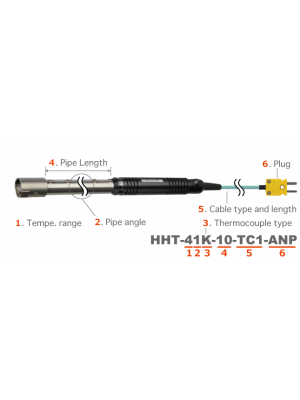
- High-temperature surfaces: Use the Anritsu HHT Series. Confirm the continuous temperature limits of the sensing head, sheath, handle and cable before selection.
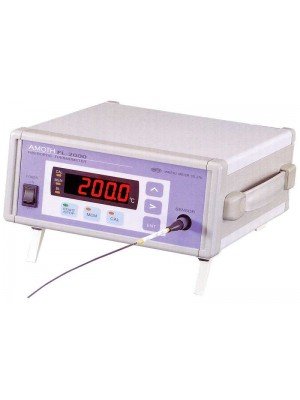
- High-frequency, microwave or high-voltage environments: Use the Anritsu FL Series Fibre-Optic Thermometer where conventional metallic thermocouple or RTD sensors may be unsuitable.
Information Required for Temperature Instrument Selection
- Measurement target: State whether the sensor will measure a surface, moving object, air, gas, liquid, food, chamber or process connection.
- Temperature range: Provide the normal, minimum and maximum temperatures at the actual sensing point.
- Accuracy and resolution: Define the acceptable measurement uncertainty and display resolution for the application.
- Response time: Indicate whether the process changes slowly or requires rapid detection of temperature variation.
- Number of points: Confirm whether one channel or simultaneous multi-point measurement is required.
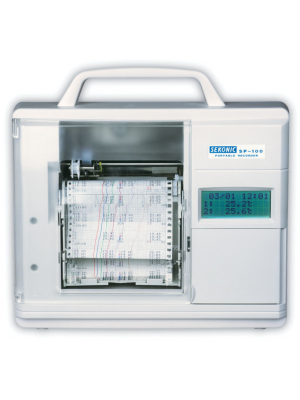
- Recording requirement: Specify local reading, internal logging, printed record, computer download or continuous network monitoring.
- Output and communication: Identify requirements for 4–20 mA, voltage, relay, Modbus, Ethernet, wireless or system integration.
- Calibration: State the required calibration points, certificate type, acceptance tolerance and recalibration interval.
- Installation conditions: Include probe dimensions, cable length, mounting connection, ingress protection, vibration and hazardous-area requirements.
Common Temperature Measurement Applications
- Manufacturing and maintenance: Machine surfaces, bearings, motors, moulds, rollers, production lines and equipment troubleshooting.
- Food production: Cooking, chilling, cold storage, liquids and product core-temperature checks.
- Pharmaceutical and life sciences: Warehouses, refrigerators, freezers, incubators, laboratories and regulated storage areas.
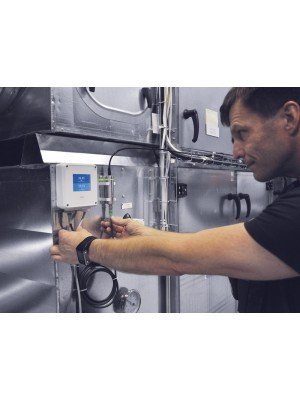
- HVAC and data centres: Duct air, chilled-water pipes, cooling systems and environmental monitoring.
- Heat treatment and ovens: Multi-point profiling, furnace surveys, dryers and thermal-process validation.
- Research and calibration: Laboratory experiments, reference comparisons, sensor verification and cryogenic measurements.
Need Help Selecting a Temperature Instrument?
Contact Seacom with the measurement target, temperature range, required accuracy, response time, number of channels, recording method, output signal and calibration requirements. Our team can recommend a suitable thermometer, probe, transmitter, data logger or monitoring system for your application.




.png)