Industrial Pressure Measurement and Recording
Seacom supplies pressure data loggers, pressure chart recorders, low differential-pressure transmitters, barometers and barometric-pressure transfer standards for industrial, laboratory, cleanroom, HVAC, meteorological and environmental applications.
The correct pressure instrument depends on whether the application measures gauge pressure, differential pressure or atmospheric pressure. Selection must also consider the required range, accuracy, process connection, recording method, output signal, environmental protection and calibration requirements.
Pressure Measurement Solutions Available
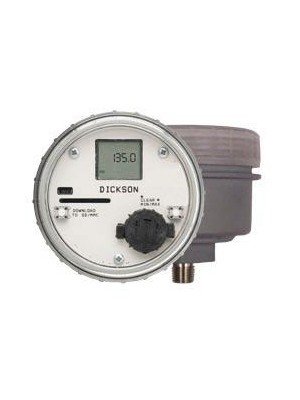
- Electronic pressure data loggers: Record line or equipment pressure for troubleshooting, surveys and unattended monitoring without a permanently connected computer.
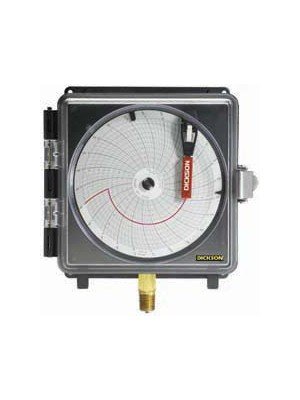
- Pressure chart recorders: Produce a continuous paper record that can be reviewed directly at the measurement location.
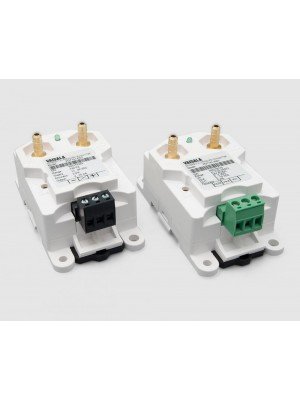
- Differential-pressure transmitters: Monitor small pressure differences in cleanrooms, isolation rooms, data centres and air-handling systems.
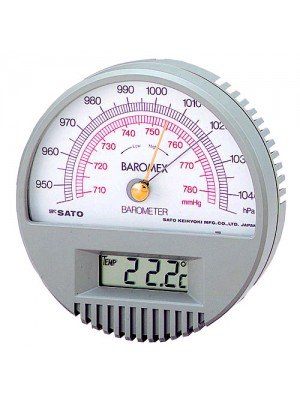
- Industrial digital barometers: Provide accurate atmospheric-pressure measurement, configurable outputs and long-term stability.
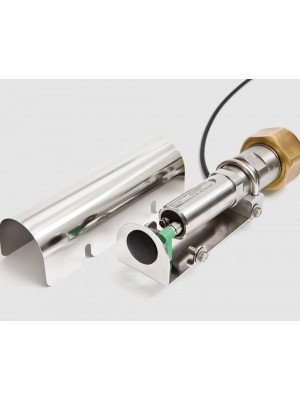
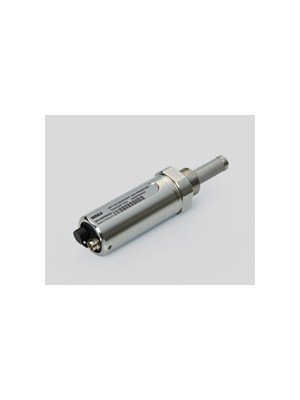
- Compact barometric transmitters: Supply low-power pressure signals to weather stations, data loggers and environmental monitoring systems.
- Pressure transfer standards: Support accurate field and laboratory comparison of barometric-pressure instruments.
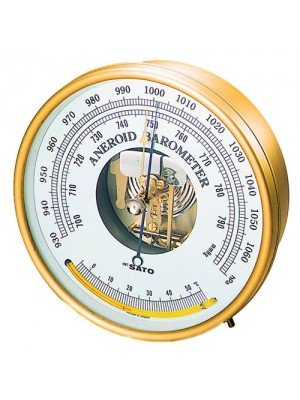
- Mechanical barometers: Provide straightforward local atmospheric-pressure indication without a permanently wired power supply.
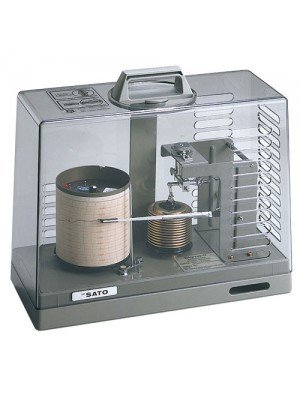
- Barographs: Create a visible paper-chart history of atmospheric-pressure changes over time.
Pressure Instrument Selection by Application
Understand the Type of Pressure Required
- Gauge pressure: Pressure measured relative to the surrounding atmospheric pressure, commonly used for compressed-air, water and hydraulic systems.
- Differential pressure: The difference between two pressure points, used for room-pressure cascades, filters and airflow-related applications.
- Atmospheric pressure: Absolute pressure of the surrounding atmosphere, measured by barometers for meteorology, environmental monitoring and reference work.
- Absolute pressure: Pressure measured relative to a vacuum reference. Confirm this requirement explicitly because it is not interchangeable with gauge pressure.
Information Required for Pressure Instrument Selection
- Pressure type: State whether the requirement is gauge, differential, atmospheric or absolute pressure.
- Normal and maximum pressure: Provide the usual operating value, full required range and any possible startup or transient pressure peaks.
- Process medium: Identify the gas or liquid and confirm compatibility with the sensor, process connection and wetted materials.
- Accuracy requirement: Define the acceptable uncertainty at the actual operating pressure, not only as a percentage of full scale.
- Pressure connection: Confirm the thread type, size, adaptor requirement, tubing arrangement and available installation space.
- Temperature conditions: Provide the process and ambient temperature ranges at the installation location.
- Recording method: Choose local indication, electronic data logging, paper chart, continuous transmitter output or network monitoring.
- Output signal: Specify voltage, current, frequency, relay, serial communication or integration with a monitoring system.
- Environmental protection: Consider indoor or outdoor installation, moisture, dust, washdown, vibration and enclosure rating.
- Calibration: State the required calibration points, certificate type, tolerance and recalibration interval.
Common Pressure Measurement Applications
- Compressed-air systems: Record pressure variation, compressor cycling and pressure loss during changes in plant demand.
- Water and pump systems: Monitor pump operation, pressure decay, supply variation and intermittent pressure events.
- Industrial equipment: Investigate pressure cycles, regulator behaviour and equipment performance during operation.
- Cleanrooms and healthcare: Monitor low differential-pressure relationships between rooms and controlled areas.
- Data centres and HVAC: Measure room, duct, filter and air-handling differential pressure.
- Meteorology and environmental monitoring: Measure atmospheric pressure for weather stations, research and environmental data systems.
- Laboratory and calibration work: Compare barometers and verify pressure instruments against a suitable reference.
Need Help Selecting a Pressure Instrument?
Contact Seacom with the pressure type, medium, normal and maximum range, process connection, temperature, required accuracy, recording method, output signal and calibration requirements. Our team can recommend a suitable pressure logger, chart recorder, differential-pressure transmitter or barometric-pressure instrument.




.png)