Industrial Humidity and Temperature Transmitters
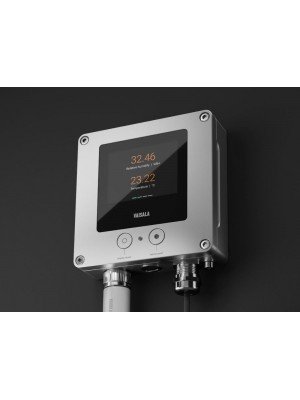
Seacom supplies humidity and temperature transmitters for HVAC, building automation, cleanrooms, laboratories and industrial processes. These instruments provide continuous measurements for controllers, building management systems and monitoring equipment.
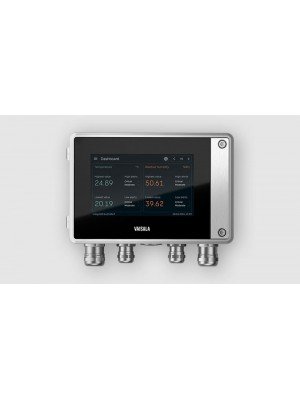
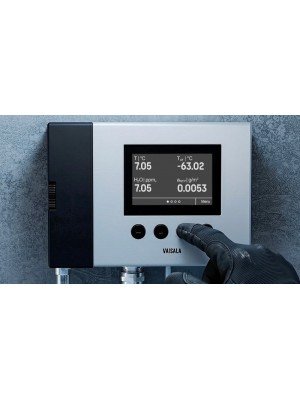
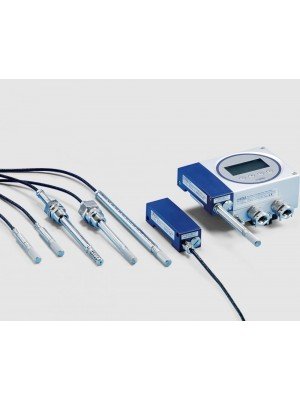
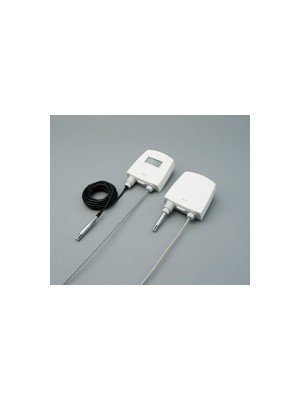
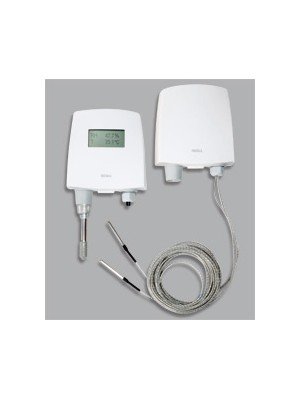
Choose from wall-mounted, duct-mounted, outdoor and remote-probe designs. Depending on the model, available interfaces include 4–20 mA, voltage outputs, Modbus RTU and BACnet MS/TP. Select the instrument according to the installation conditions, required accuracy and control-system interface.
Choosing a Humidity Transmitter for HVAC
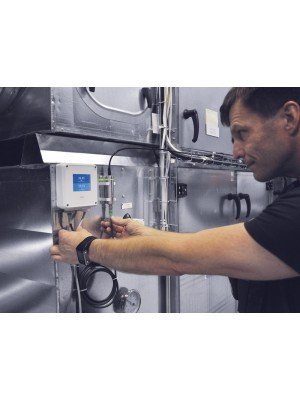
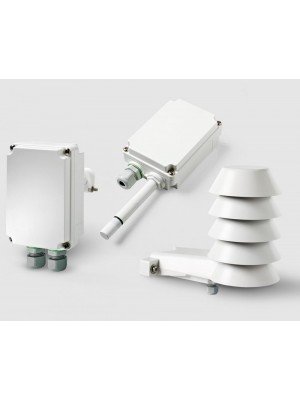
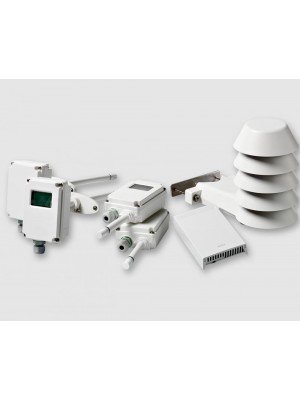
A humidity transmitter for HVAC should measure conditions at a location that represents the space or air stream being controlled. Room, duct and outdoor measurements serve different purposes and may require different probe arrangements and protective accessories.
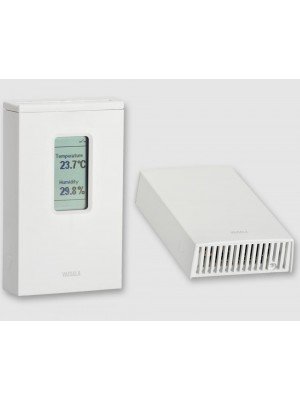
- Room humidity: Wall-mounted transmitters measure conditions in occupied spaces, laboratories, storage rooms and controlled environments.
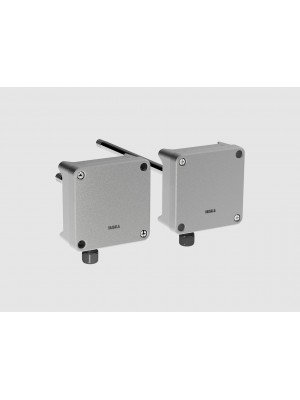
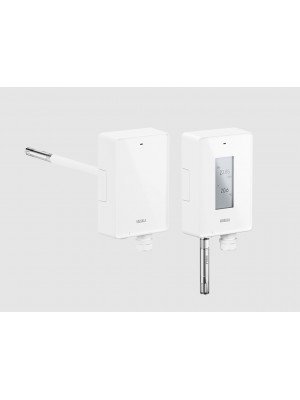
- Duct humidity: Duct-mounted transmitters measure supply or return air in ventilation systems and air-handling units.
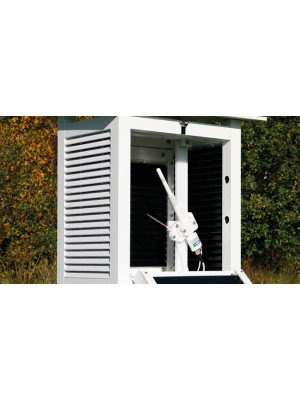
- Outdoor humidity: Suitable outdoor models provide reference measurements for ventilation control. Consider protection from rain and solar heating.
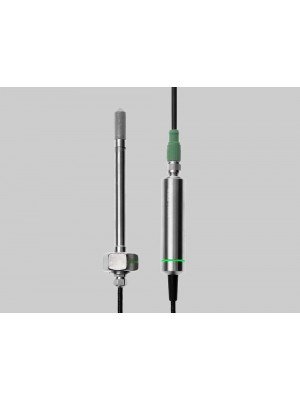
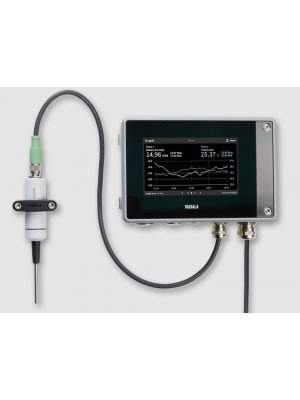
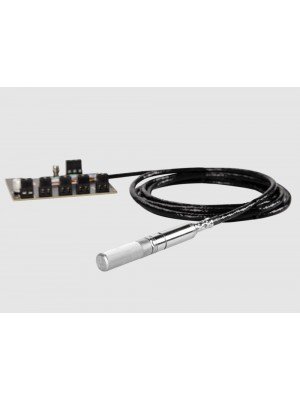
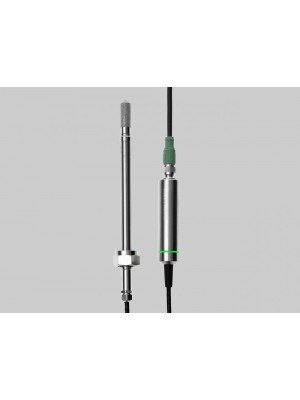
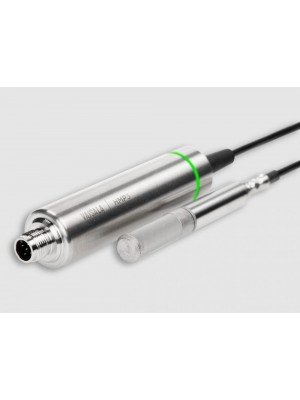
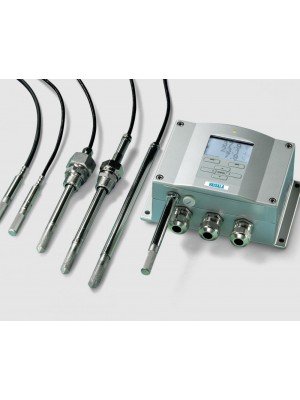
- Remote measurement: Separate probes allow the sensing point to be positioned away from the transmitter display or electronics.
HVAC Humidity Transmitter Selection
| Application | Product family | Selection guidance |
|---|
| Routine room, duct and outdoor HVAC measurement |
Vaisala HMW80, HMD80 and HMS80 |
Consider this family for routine building automation. Select the mounting arrangement and analogue output to match the installation. |
| Higher-accuracy room, duct and outdoor measurement |
Vaisala HMW110, HMD110 and HMS110 |
Consider this family when accuracy and calibration documentation are important. Confirm the required output and model configuration. |
| Wall-mounted measurement in demanding indoor environments |
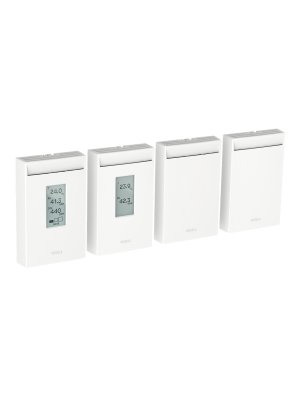
Vaisala HMW90 Series |
Humidity and temperature measurement for indoor HVAC applications requiring accuracy and stability. Confirm the display and output configuration. |
| Compact sensing and modular installations |
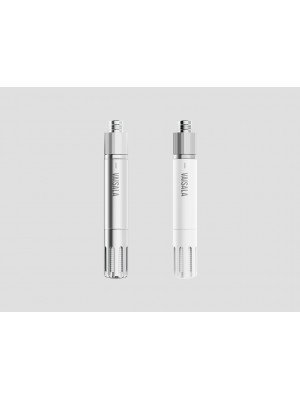
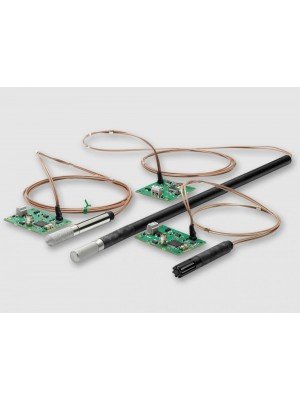
Vaisala XMP10 Series |
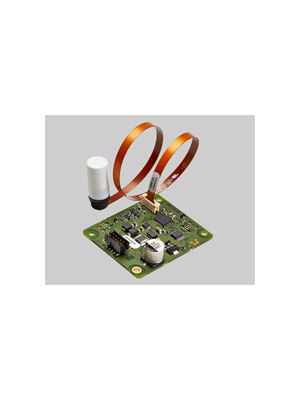
Compact probes with different sensor and accuracy options, for standalone use or compatible Origo10 transmitters. XMP10T measures temperature only. |
| Indoor air quality and ventilation monitoring |
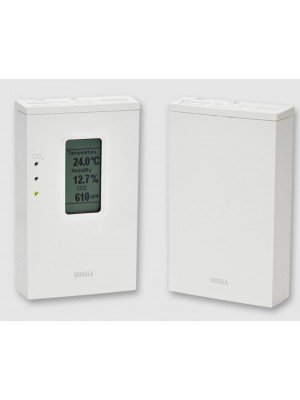
Vaisala XMW85 Series |
Configurable indoor transmitters for CO₂, humidity and temperature. Confirm the measurements included in the selected configuration. |
| Accurate compact sensing for equipment and data loggers |
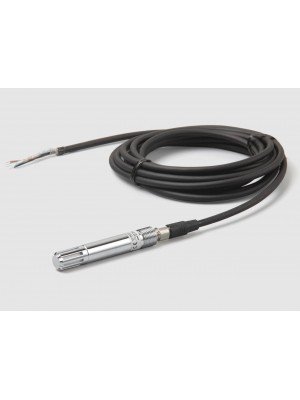
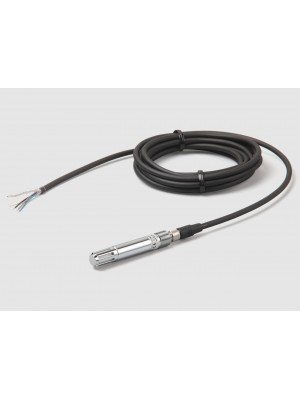
Vaisala HMP110 |
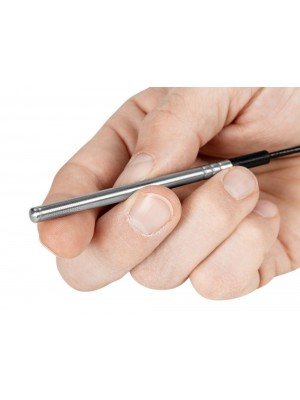
Compact HUMICAP humidity and temperature probe. Select the output, filter, cable and mounting accessories for the application. |
| Cost-conscious equipment integration and general monitoring |
Vaisala HMP60 |
Compact humidity and temperature probe with an interchangeable INTERCAP sensor. Confirm the required accuracy, operating conditions and output. |
| Demanding ventilation ducts and air-handling systems |
Vaisala HMD60 Series |
Consider this family for high-performance duct measurement. Analogue, Modbus RTU and BACnet MS/TP options depend on the model. |
| Modular wall-mounted or duct-mounted HVAC measurement |
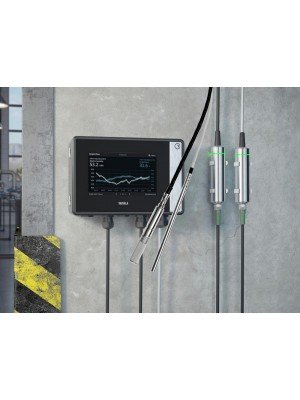
Vaisala Origo10 Series |
Consider a modular system with interchangeable probes. Confirm the probe, measurement parameters and controller interface. |
The families above provide a starting point for HVAC selection. For environmental chambers, elevated temperatures, high humidity, pressurised processes or hazardous locations, review the specialised instruments below with Seacom before specifying a model.
Humidity Measurement for Cleanrooms and Laboratories
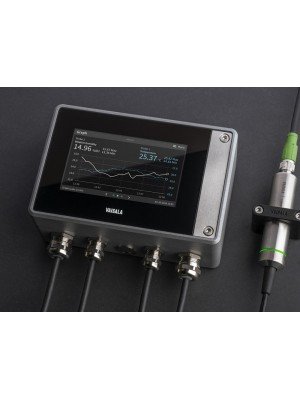
When selecting a humidity sensor for a cleanroom or laboratory, consider measurement accuracy, long-term stability, calibration access and the location of the sensing point. The instrument must also suit the cleaning procedures and environmental conditions at that location.
A transmitter connected to a BMS or PLC provides measurement for control and indication. Applications requiring recorded history, alarms and reporting may also need a separate monitoring system. Sensor selection alone does not establish compliance with pharmaceutical or quality-system requirements.
Explore the humidity measurement range for related meters, probes and logging instruments.
Analogue and Digital Output Options
- 4–20 mA: A common industrial interface for controllers and data-acquisition systems. Confirm loop power, input compatibility and output scaling.
- Voltage output: Common in HVAC control systems. Match the output range, power supply and wiring requirements to the controller.
- Modbus RTU: Suitable for compatible RS-485 networks. Confirm the supported registers, communication settings and network wiring.
- BACnet MS/TP: Available on selected instruments for compatible building-automation networks.
Not every model supports every interface. Specify the complete model configuration rather than relying on the product-family name alone.
What to Check Before Ordering
- Measurement: Relative humidity only, humidity and temperature, or additional calculated parameters.
- Operating conditions: Normal and maximum temperature, humidity, pressure and air velocity.
- Accuracy: Required performance across the actual operating range, not only at a single reference condition.
- Installation: Wall or duct mounting, probe length, insertion depth, cable length and access for servicing.
- Environment: Condensation, dust, chemical exposure and required enclosure protection.
- Integration: Power supply, analogue input type, digital protocol and measurement scaling.
- Calibration: Certificate requirements, calibration points and arrangements for periodic checks.
Installation and Calibration Considerations
Position the sensor where airflow and conditions represent the intended measurement. Avoid local heat sources, stagnant pockets and direct water spray. Follow the selected manufacturer's guidance for mounting, orientation, wiring and environmental protection.
Plan access for inspection and calibration. The appropriate checking interval depends on the environment, required measurement confidence, instrument performance and the site's quality procedures.
Frequently Asked Questions
What is the difference between a humidity sensor and a transmitter?
A humidity sensor is the sensing element. A humidity transmitter combines sensing and signal-processing functions to provide an output that a controller or monitoring system can use. Some probes also contain their own processing electronics and digital interface.
Can one instrument measure humidity and temperature?
Yes. Many transmitters measure both relative humidity and temperature. Selected models also provide calculated parameters such as dew point, wet-bulb temperature or enthalpy. Check the supported measurements and outputs for the chosen configuration.
Which humidity transmitter is suitable for HVAC?
Start with the measurement location: room, duct or outdoor air. Then compare accuracy, operating conditions, output interface and calibration requirements. Routine ventilation and critical controlled environments may require different instruments.
Can an HVAC humidity transmitter measure very dry compressed air?
Do not assume that a standard HVAC transmitter is suitable. Very dry compressed air requires an instrument selected for the dew-point range, process pressure and sampling arrangement. See the dew point meters and transmitters for this application.
Humidity Monitoring for Data Centres
Planning measurements for server rooms or air-handling systems? Explore sensor placement, relative humidity, dew point and monitoring-system requirements.
Read our data centre humidity and temperature monitoring guide
HVAC Sensors for Building Automation
For a broader guide to room, duct and outdoor measurement, explore Vaisala HVAC sensors and transmitters, including selection considerations for building-automation systems.
Read our Vaisala HVAC sensor and transmitter guide
Humidity Transmitter Selection and Technical Support
Seacom Process Instruments is based in Malaysia, with offices in Kuala Lumpur and Penang. Our team can assist with industrial humidity transmitter selection, probe configuration, mounting accessories and control-system compatibility.
Send us the installation location, operating temperature and humidity, required accuracy, output signal and power supply. Include any calibration or documentation requirements so we can recommend a suitable configuration.
Discuss your humidity transmitter application with Seacom .




.png)