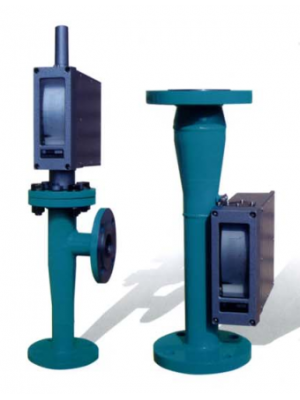
Flow Controllers, Switches and Transmitters
Seacom supplies instruments for flow adjustment, flow monitoring and flow alarm applications. Selection starts with the function you need: adjusting a flow, detecting a threshold or sending a measured value to a control system.
A controller, switch and transmitter perform different tasks. Confirm the function and configuration of the selected model rather than assuming that every instrument includes automatic control, alarms and continuous measurement.
Choose the Right Instrument Type
| Instrument type | Main function | Selection focus |
|---|
| Flow controller |
Adjusts flow towards a required setting. Automatic systems use feedback; manual arrangements require operator adjustment. |
Control method, fluid, operating range, pressure conditions and required stability. |
| Flow switch |
Changes an electrical contact or switching output when a specified flow condition is reached. |
Switching point, adjustment range, hysteresis, output rating and installation requirements. |
| Flow transmitter |
Sends a measured flow value to a PLC, BMS, display or monitoring system. |
Measurement principle, range, accuracy, power supply and signal compatibility. |
| Flowmeter with regulating valve |
Combines local flow indication with manual adjustment. |
Calibration conditions, valve arrangement, available pressure and operator access. |
Product Families in This Category
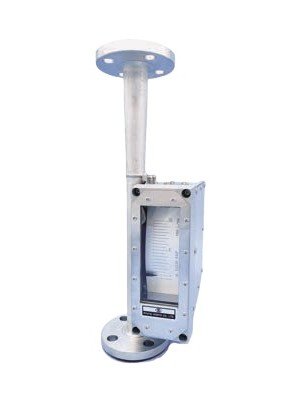
- Ryutai Kogyo EM Series: metal tube variable-area flowmeters with local indication and optional electrical outputs, depending on the selected configuration.
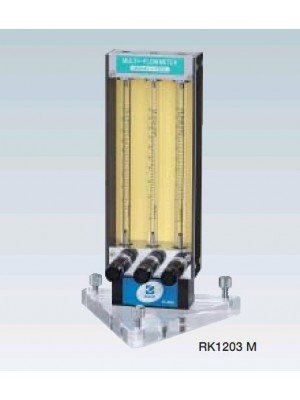
- Kofloc RK120XM: a multichannel gas-mixing arrangement with individual flow indication and manual needle-valve adjustment. It should not be confused with an automatic mass flow controller.
- Ryutai Kogyo MCF / E-MCF: legacy model references for identifying existing installations and discussing replacement requirements. Confirm the complete model before selecting an alternative.
Information Needed for Selection
- Required function: identify whether you need manual adjustment, automatic control, a flow alarm or continuous measurement.
- Fluid: provide the liquid or gas name, composition and relevant material-compatibility requirements.
- Flow range: state minimum, normal and maximum flow, including the units and reference conditions for gases.
- Operating conditions: specify inlet pressure, outlet pressure, temperature and permitted pressure loss.
- Electrical interface: confirm the available power supply and required analogue, pulse, switching or communication output.
- Installation: provide pipe size, connections, mounting orientation and available straight-pipe space where applicable.
Measurement, Alarms and Control
A transmitter provides a measurement signal, but automatic flow regulation normally also requires a controller and a suitable control element. A flow switch provides a threshold signal and does not necessarily provide a continuous flow reading.
For gas-mixing applications, changes in supply pressure or downstream conditions can affect manually adjusted flows. Explain the required mixture, flow stability and operating conditions so the appropriate arrangement can be assessed.
Related Flow Measurement Categories
Need Help Selecting a Flow Controller, Switch or Transmitter?
Contact Seacom with your fluid, flow range, pressure, temperature and required control or monitoring function. For a replacement, include the existing model number, electrical output and connection details.
Send us an email enquiry or Enquire on WhatsApp.



.png)