- Out-of-Stock
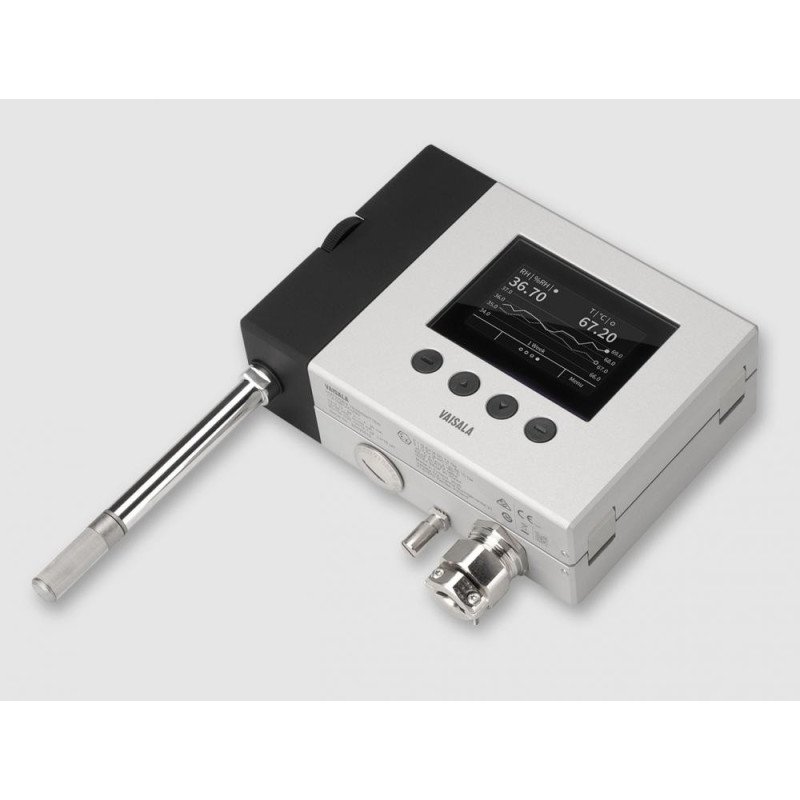
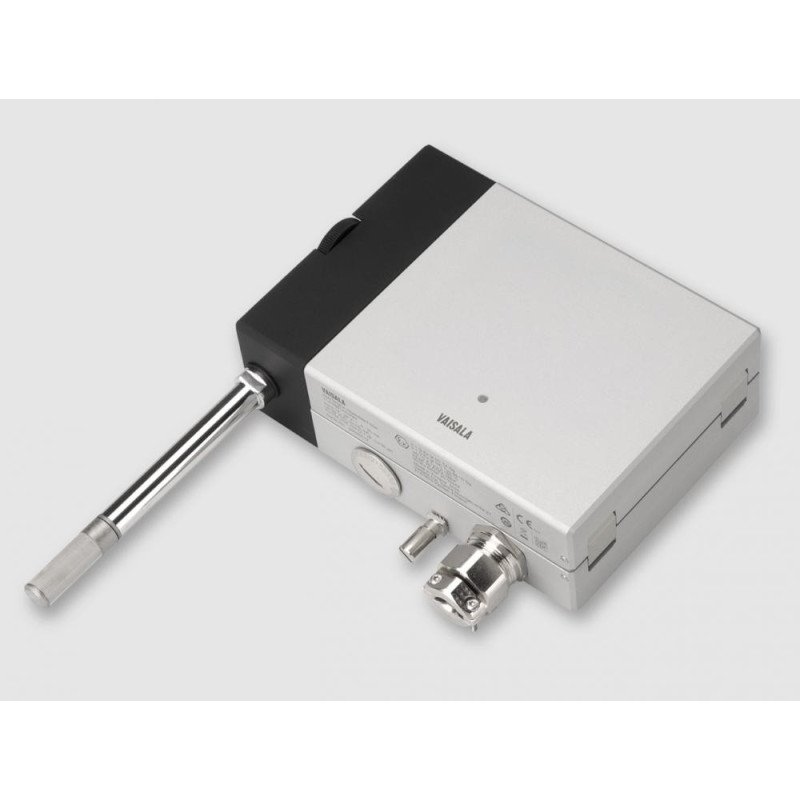
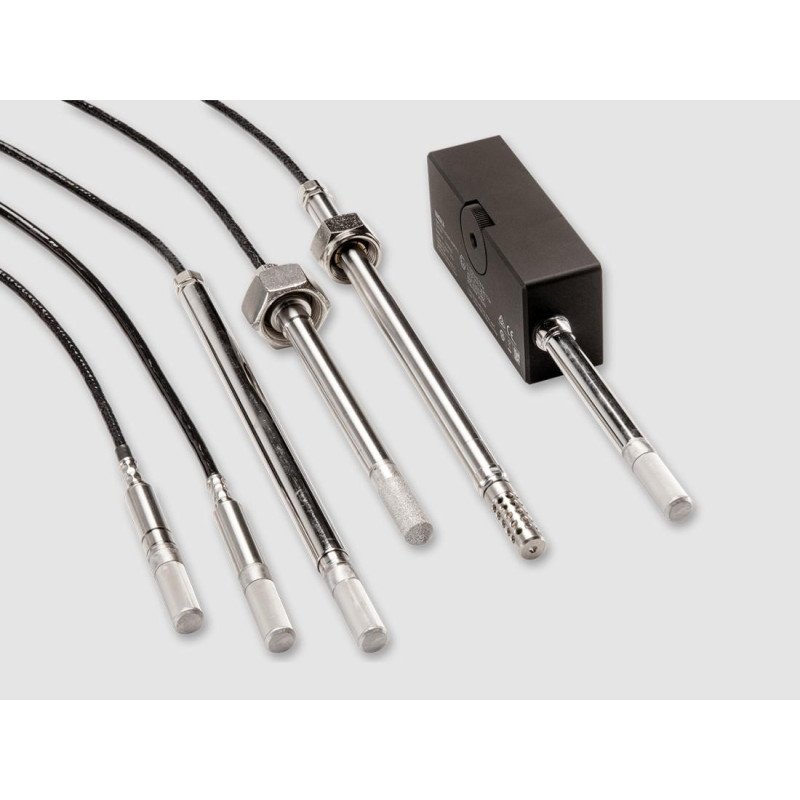
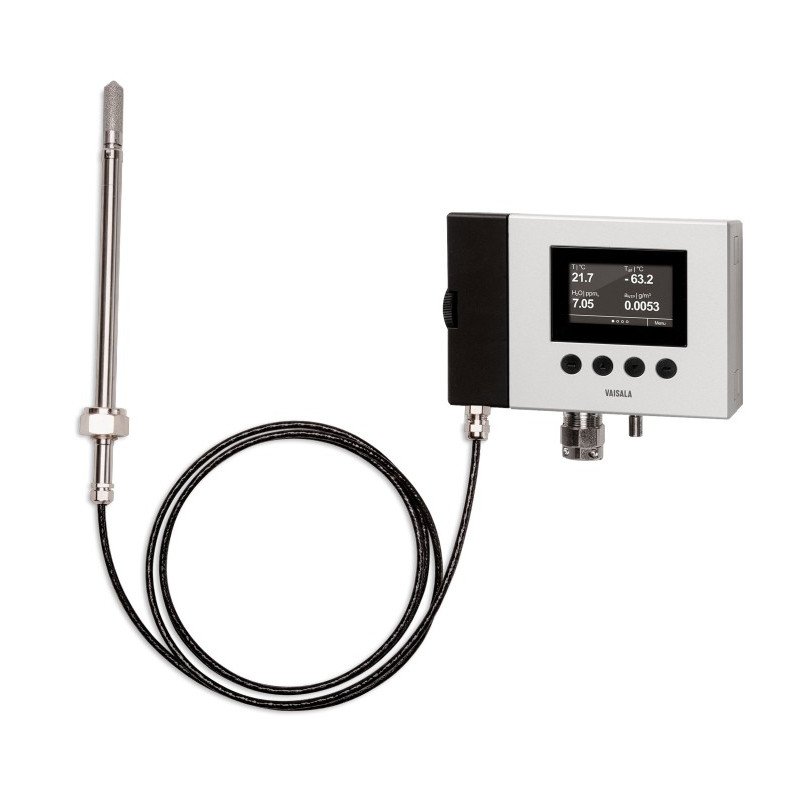
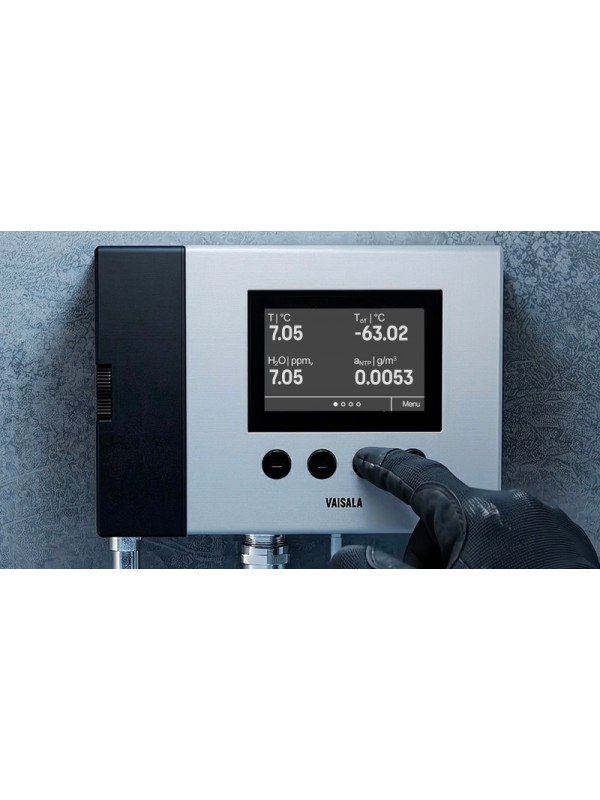
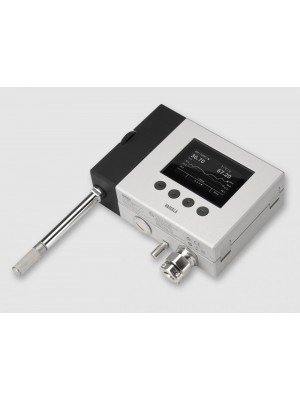
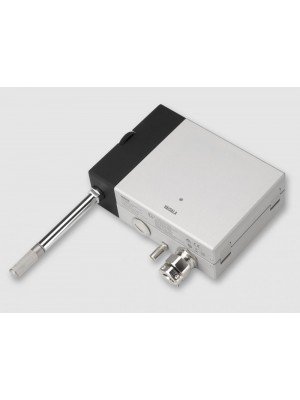
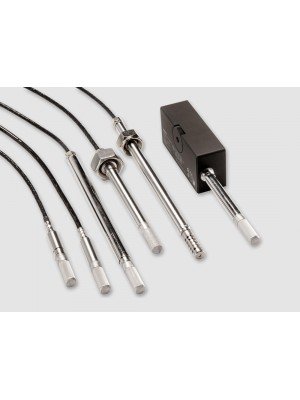
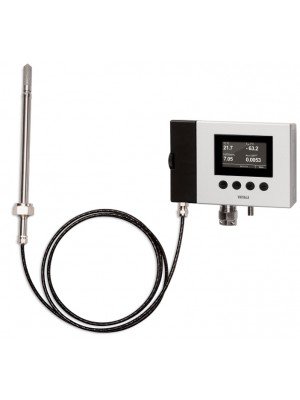
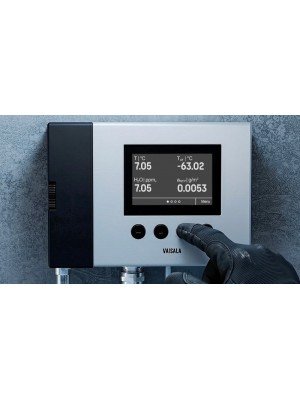



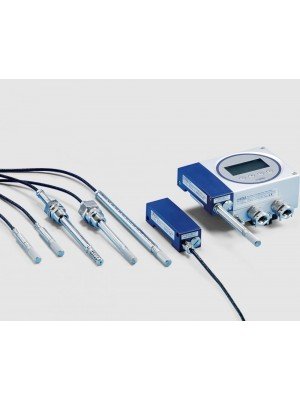
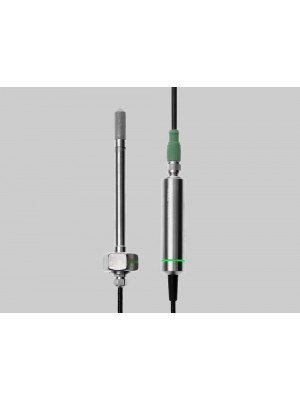
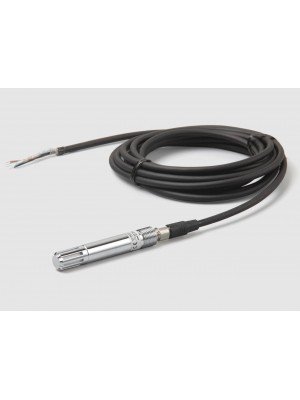
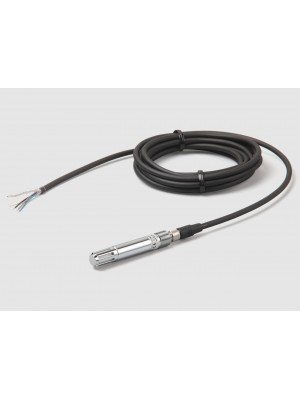
The Vaisala HMT370EX provides intrinsically safe humidity and temperature measurement with HMP-series probes. The new DMP370 configuration combines the HMT370EX transmitter with a DMP37X DRYCAP® probe for low-dew-point measurement in hazardous locations.
DMP370 availability: Vaisala plans first deliveries for Q1 2027. Contact Seacom for configuration and project lead time.
Measuring moisture in a hazardous area starts with two questions: what needs to be measured, and where will the instrument be installed? A room-humidity application, a dry-gas pipeline and moisture measurement in oil require different probes, even when they use the same transmitter platform.
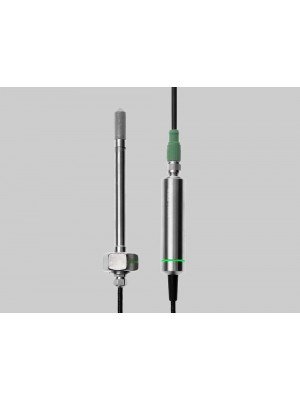
The Vaisala HMT370EX supports humidity and temperature measurement using HUMICAP® HMP probes. The new DMP370 intrinsically safe dew-point instrument combines a DMP37X DRYCAP® probe with the HMT370EX transmitter for measuring low dew point and trace moisture in gases.
| Configuration | Main measurement | Selection focus |
|---|---|---|
| HMT370EX with HMP humidity probe | Relative humidity and temperature, with calculated humidity parameters. | Humidity control and monitoring in hazardous rooms, ducts and process environments. |
| DMP370: HMT370EX with DMP37X probe | Dew point and trace moisture in gases. | Dry-gas measurement where low moisture levels and hazardous-area certification are required. |
| HMT370EX with HMP378F | Moisture and temperature in oil. | Oil-moisture applications requiring a dedicated liquid-compatible probe. |
| HMT370EX with HMP378H | Moisture and temperature in JET A-1 fuel. | Aviation-fuel applications within the probe’s specified operating conditions. |
Selection note: A calculated dew-point output from an HMP humidity probe does not make it equivalent to a DMP370 low-dew-point configuration. Select the sensor against the expected moisture range and required accuracy.
The DMP370 brings Vaisala DRYCAP® technology to hazardous-area gas measurement. Its drift-compensation approach supports continuous measurement without measurement gaps during compensation.
Applications include hydrogen production and storage, biomethane upgrading, natural-gas infrastructure, compressed air, nitrogen and purge-gas systems. It also supports suitable battery dry-process applications where combustible carbon dust may be present.
Availability: Announced in September 2026, with first deliveries planned by Vaisala for Q1 2027. Please confirm the required configuration and delivery schedule with Seacom.
| Parameter | Specification |
|---|---|
| Dew-point range | −70 to +10 °C Td/f |
| Dew-point accuracy | ±2 °C Td/f at +23 °C under the datasheet’s specified conditions; accuracy varies with measurement conditions. |
| Process temperature | −40 to +60 °C, subject to the selected probe and applicable installation limits. |
| Sensor technology | Vaisala DRYCAP® |
| Transmitter outputs | Two two-wire 4–20 mA outputs. |
| Pressure selection | Probe-dependent. Confirm the probe-head pressure rating and measurement-performance conditions for the actual process. |
| Probe | Installation type |
|---|---|
| DMP371 | Wall-mounted measurement. |
| DMP374 | Pressurised spaces. |
| DMP375 | Long probe option for installations requiring greater reach. |
| DMP377 | Compact probe for restricted installation spaces. |
| DMP378 | Pressurised pipelines with adjustable insertion depth. |
DMP and HMP probes with similar model numbers do not necessarily share the same temperature range or measurement function. In particular, DMP375 is a long dew-point probe; the high-temperature capability of HMP375 must not be applied to it.
For relative-humidity measurement, select an HMP probe according to the process temperature, pressure and installation arrangement.
| Probe | Typical selection |
|---|---|
| HMP371 | Wall mounting and ambient measurement. |
| HMP373 | Confined spaces, ducts and channels. |
| HMP374 | Pressurised spaces and vacuum applications. |
| HMP375 | High-temperature processes. |
| HMP377 | High-humidity applications. |
| HMP378 | Pressurised pipelines. |
The HMP humidity range includes probe options covering temperatures from −70 to +180 °C. These are probe-dependent limits, not a universal operating range for every configuration. HMP371 and HMP373 also have temperature-only ordering options.
For an existing HMT370EX installation, provide the transmitter serial number and current probe details before ordering a different probe type. Confirm compatibility and the approved system configuration before planning a change.
Certified configurations support installation up to Zone 0 for gas and Zone 20 for dust. The exact certificate, temperature class and installation limits must match the ordered equipment and site classification.
The complete measurement loop must be assessed, including the intrinsic-safety barrier or isolator, power supply, cable parameters and process connection. Service connections and probe replacement must follow the applicable Vaisala instructions.
For central records and alarms, discuss connection of the 4–20 mA signals to a suitable monitoring system. A continuous monitoring system requires compatible inputs and an appropriately designed hazardous-area interface; it is not a direct network connection from the transmitter.
Send us the gas or liquid being measured, expected humidity or dew-point range, process temperature and pressure, hazardous-area classification, and required output. A process sketch or existing instrument model will help us review the probe and installation requirements.
Seacom Process Instruments can assist with measurement selection and quotation for projects in Malaysia, including new installations and replacement planning.
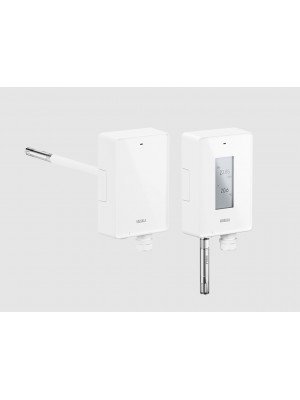
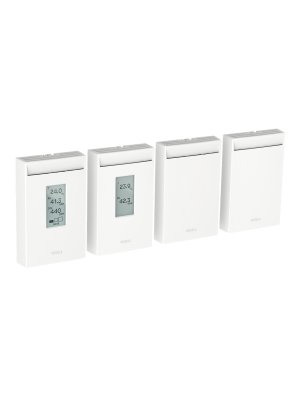
The Vaisala Origo10 Series comprises modular HVAC transmitters with interchangeable probes for humidity, temperature, CO2 and dew-point measurement.
Available with analog, Modbus RTU and BACnet MS/TP outputs, wall or duct mounting, an optional display and an IP65-rated enclosure.
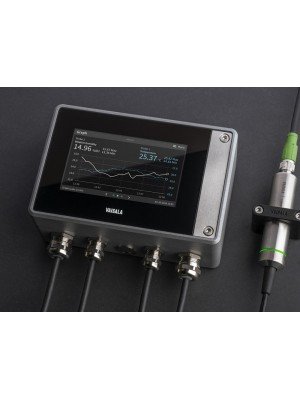
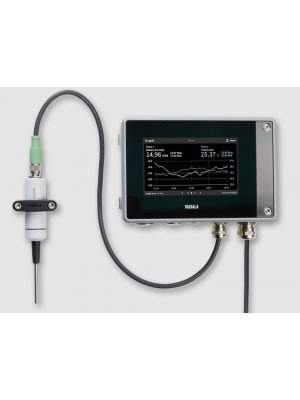
The Vaisala Indigo200 Series is the standard transmitter platform for one interchangeable Indigo-compatible smart probe, providing local display and practical automation-system connectivity.
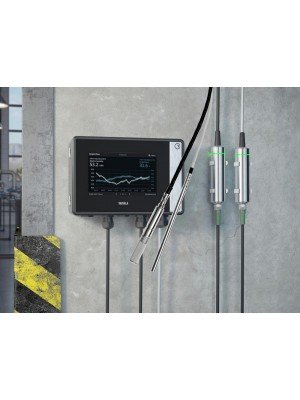
The Vaisala Indigo500 Series provides flagship industrial measurement integration: choose Indigo510 for a simplified single-probe system or Indigo520 for full dual-probe capability.
The Vaisala HMT360 Series was an intrinsically safe transmitter platform for humidity, temperature and moisture measurement in hazardous areas. It is discontinued and replaced by the Vaisala HMT370EX with an application-specific probe.
The Vaisala HMP9 combines a miniature 5 mm probe head with fast-response, high-accuracy humidity and temperature measurement for tight spaces and rapidly changing environments.
The Vaisala HMM100 provides reliable humidity measurement and a configurable analog output for integration into environmental chambers and OEM equipment.
The Vaisala HMT140 Wi-Fi Data Logger has been discontinued and is no longer recommended for new monitoring systems.
The Vaisala HMP4 provides high-accuracy humidity and temperature measurement in compressed air, breathing air, industrial gases, vacuum systems and other processes operating at pressures up to 100 bar.
The Vaisala XMW85 Series provides reliable indoor CO2, humidity and temperature measurement for demand-controlled ventilation, smart buildings and indoor air-quality monitoring.
All models support Modbus RTU over RS-485, with two-in-one and three-in-one measurement configurations and optional metric or non-metric displays.
The Vaisala HMP7 is designed for continuously humid, rapidly changing and near-condensing environments. Probe heating helps prevent condensation while maintaining reliable process measurement.
The Vaisala HMP1 is a high-accuracy, interchangeable humidity and temperature probe for indoor spaces. It connects directly to an Indigo200 or Indigo300 transmitter to create a compact wall-mounted measurement system.
The Vaisala HMP5 provides high-accuracy humidity and temperature measurement in ovens, dryers, kilns and other processes operating at temperatures up to +180 °C.
The Vaisala HMP60 is a compact, durable and cost-effective humidity and temperature probe for equipment integration, data loggers, incubators, glove boxes, greenhouses and environmental monitoring systems.
It provides 0–100% RH and −40 °C to +60 °C measurement ranges, low power consumption, interchangeable Vaisala INTERCAP sensor and optional Modbus RTU communication.
The Vaisala HMP110 is a high-accuracy humidity and temperature probe designed for demanding equipment integration, environmental chambers, data loggers, incubators and controlled-environment applications.
It provides ±1.5% RH accuracy, a 0–100% RH range, −40 °C to +80 °C temperature measurement, a chemically resistant HUMICAP 180R sensor and analog or Modbus RTU output options.
The Vaisala HMM105 provides reliable humidity measurement for integration into environmental chambers, incubators and OEM equipment.
The Vaisala HMD60 Series provides high-accuracy humidity and temperature measurement for demanding HVAC ducts and light-industrial applications.