


.png)







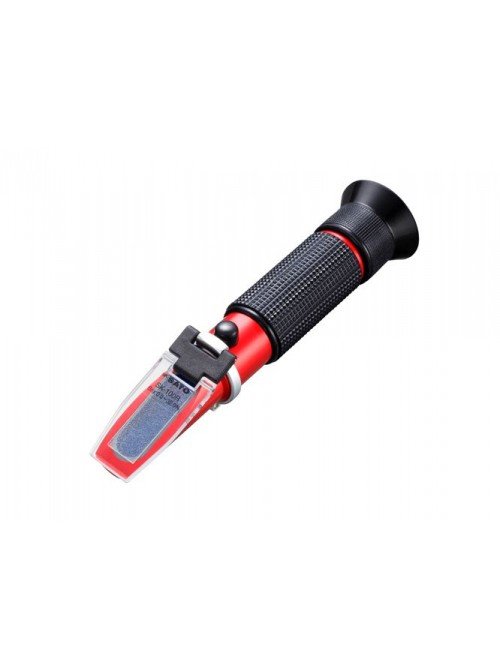
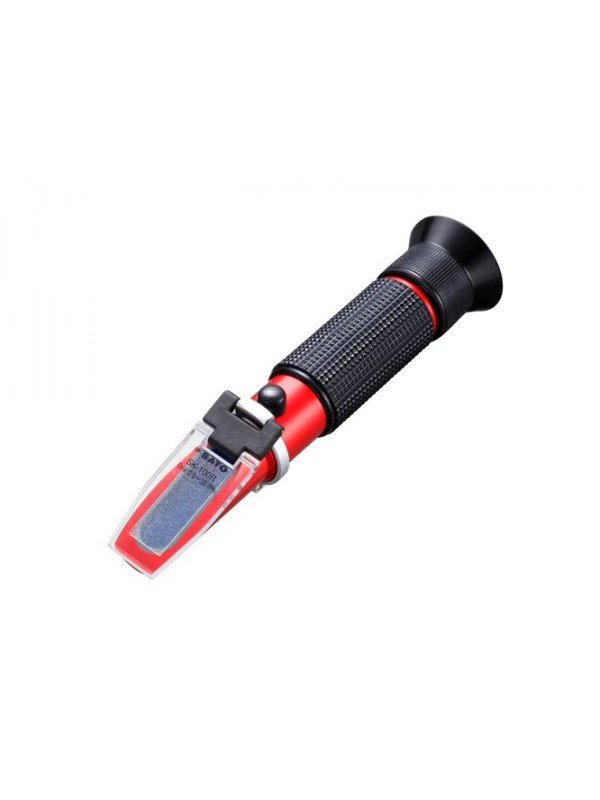
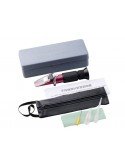
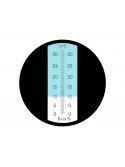
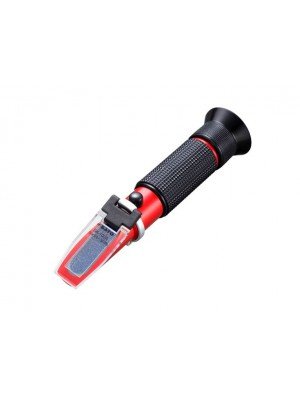
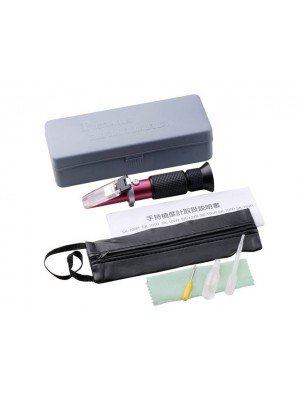
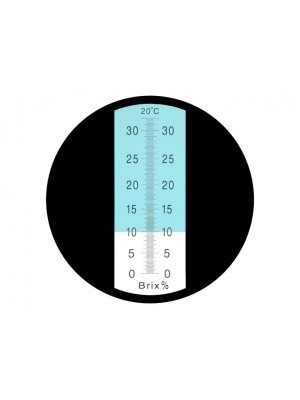
Sato handheld refractometers for checking Brix or salt concentration in compatible liquid samples.
Sato handheld refractometers provide a portable way to check liquid concentration using an optical scale. The range includes seven Brix models for different concentration levels and the SK-200R for salt concentration. Choose the scale and measuring range to match your sample.
| Model / catalogue number | Measuring range | Minimum scale division | Typical selection |
|---|---|---|---|
| SK-100R / 0180-00 | 0.0–32.0°Brix | 0.2°Brix | Fruit juice, beverages and compatible industrial liquids. |
| SK-101R / 0181-00 | 28.0–62.0°Brix | 0.2°Brix | Medium-concentration samples such as sauces and low-sugar jam. |
| SK-102R / 0182-00 | 0.0–18.0°Brix | 0.1°Brix | Low-concentration samples where a finer scale is useful, including fruit juice and compatible water-soluble cutting fluids. |
| SK-104R / 0184-00 | 0.0–10.0°Brix | 0.1°Brix | Low-concentration soup, dashi and tomato juice. |
| SK-106R / 0186-00 | 58.0–92.0°Brix | 0.2°Brix | High-sugar samples such as honey, syrup, jam and marmalade. |
| SK-107R / 0187-00 | 45.0–82.0°Brix | 0.5°Brix | Medium- to high-concentration samples such as corn syrup, jam and marmalade. |
| SK-109R / 0189-00 | 0.0–50.0°Brix | 0.5°Brix | A wider Brix range for compatible liquids, including selected cloudy samples. |
| SK-200R / 0190-00 | 0.0–28.0% salt concentration | 0.2% | Brine, including solutions used for marinating or washing fish. |
Minimum scale division describes the spacing between graduations; it is not an accuracy specification. The SK-200R reads salt concentration rather than Brix.
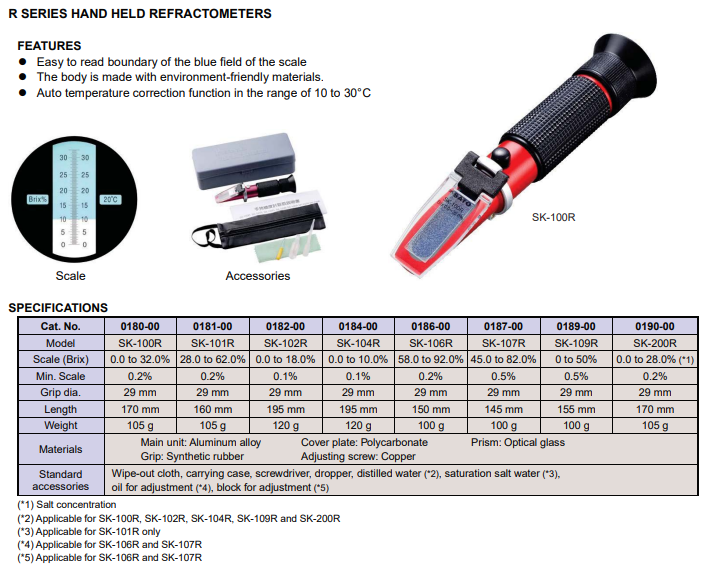
For a sucrose-and-water solution, Brix represents grams of sucrose per 100 grams of solution. Other dissolved substances also affect refractive index, so a Brix reading does not automatically give the actual sugar content or concentration of every liquid.
For cutting fluids, cleaning solutions and other industrial mixtures, use the appropriate conversion factor or concentration relationship for the specific fluid. Confirm sample compatibility before selecting a model.
Contact Seacom with the liquid you need to measure, its expected concentration and sample temperature. For an existing instrument, include the model and catalogue number so we can help check the appropriate range and supply options.

.

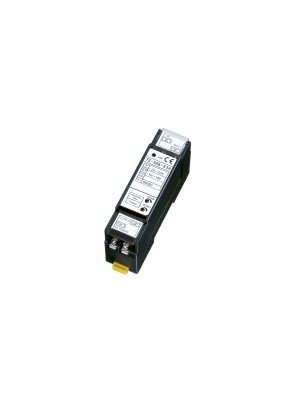
The Watanabe TZ-1XA and TZ-5XA convert DC voltage or current inputs into proportional, isolated DC outputs for measurement and control systems.

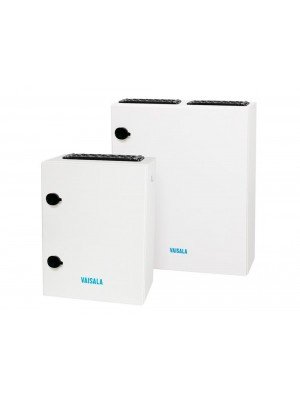
The Vaisala CAB100 centralises differential-pressure transmitters, analog inputs and interface components for cleanroom and industrial monitoring with the viewLinc Continuous Monitoring System.
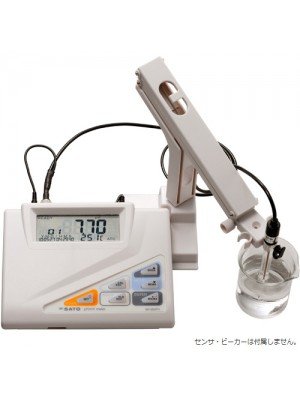
The Sato SK-650PH is a desktop digital pH meter with a sensor arm for convenient sample measurement.
Probe and calibration solutions are sold separately. Measuring range and accuracy depend on the selected probe.

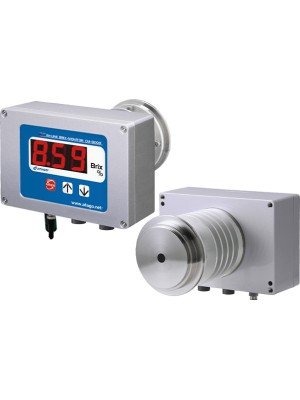
Monitor liquid concentration directly in your process with ATAGO inline refractometers. Models are available for Brix measurement, glycol concentration and other liquid applications requiring a suitable concentration scale.

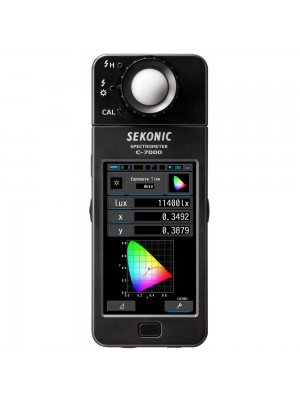
The Sekonic SPECTROMASTER C-7000 is a portable spectrometer for evaluating LED, fluorescent, HMI, tungsten, natural and flash light in industrial, laboratory and quality-control applications.

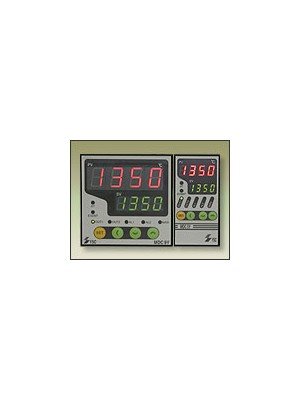
Yashima's temperature controller and transmitter accepts 15 type of different input from thermocouple, R.T.D. mA & DC voltage. Range setting & alternation can be easy done from thermocouple to R. T. D. or mA to DC voltage. It has programmable scale range and it is so easy that you may program it within few touches!
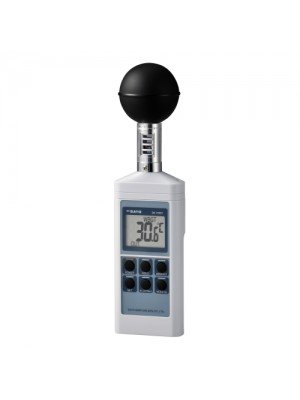
Sato SK-170GT WBGT Heat Stress Monitor is a portable all-in-one instrument for assessing heat stress in indoor and outdoor working environments.
It measures and displays the WBGT index, ambient temperature, globe temperature and relative humidity. Its built-in black globe detects radiant heat from direct sunlight, hot machinery and surrounding surfaces.
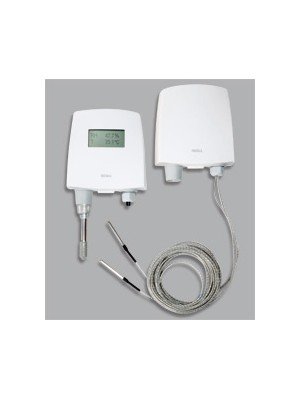
The Vaisala HMT140 Wi-Fi Data Logger has been discontinued and is no longer recommended for new monitoring systems.

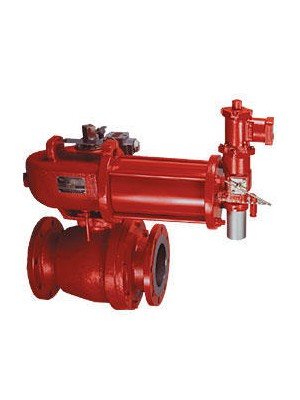
The Tokico MBA Series is an electrical signal-operated emergency shut-off valve using a CO₂ cartridge to power the cylinder actuator and close a ball valve.
Contact Seacom to confirm fluid compatibility, pressure, flange specification and control requirements.
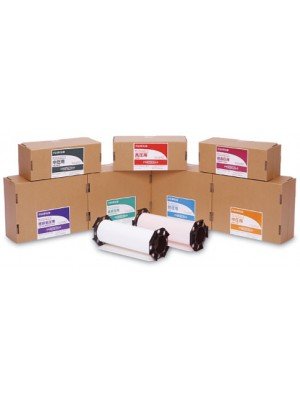
FUJIFILM Prescale reveals contact pressure and pressure distribution through changes in red colour density. Place the film between contacting surfaces to identify uneven loading and compare contact patterns.
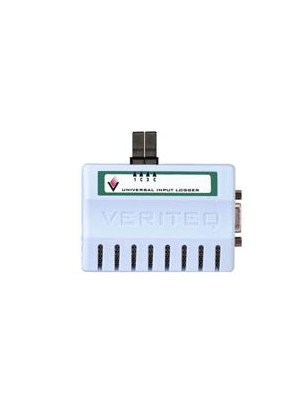
The Vaisala DL4000 records current or voltage signals from industrial transmitters and brings pressure, flow, level, pH, moisture, gas concentration and other process measurements into viewLinc.
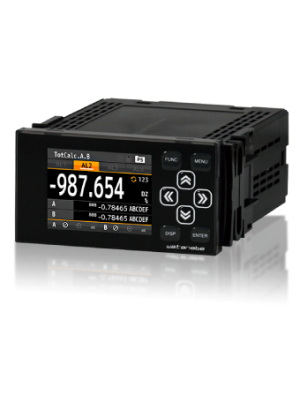
The Watanabe WPMZ Series features a colour LCD for displaying measurements from compatible sensors and equipment.
Sato handheld refractometers for checking Brix or salt concentration in compatible liquid samples.