



.png)










Vaisala Offshore Weather Monitoring Systems
Reliable weather data when there is no shelter nearby
Weather affects lifting, helicopter movements, marine transfers, dynamic positioning, maintenance and emergency decisions offshore. Conditions can change quickly, and the nearest land-based station may not represent the wind, visibility, rainfall or pressure at the platform or vessel.
A useful offshore weather system is more than a collection of sensors. It must measure at representative locations, survive salt, vibration and exposed cabling, communicate reliably and present data in a form that operators can act on.
Vaisala weather instruments can be configured for offshore platforms, vessels, ports, terminals, helidecks, coastal facilities and other demanding marine locations. This guide explains the main measurements, product choices and installation decisions.
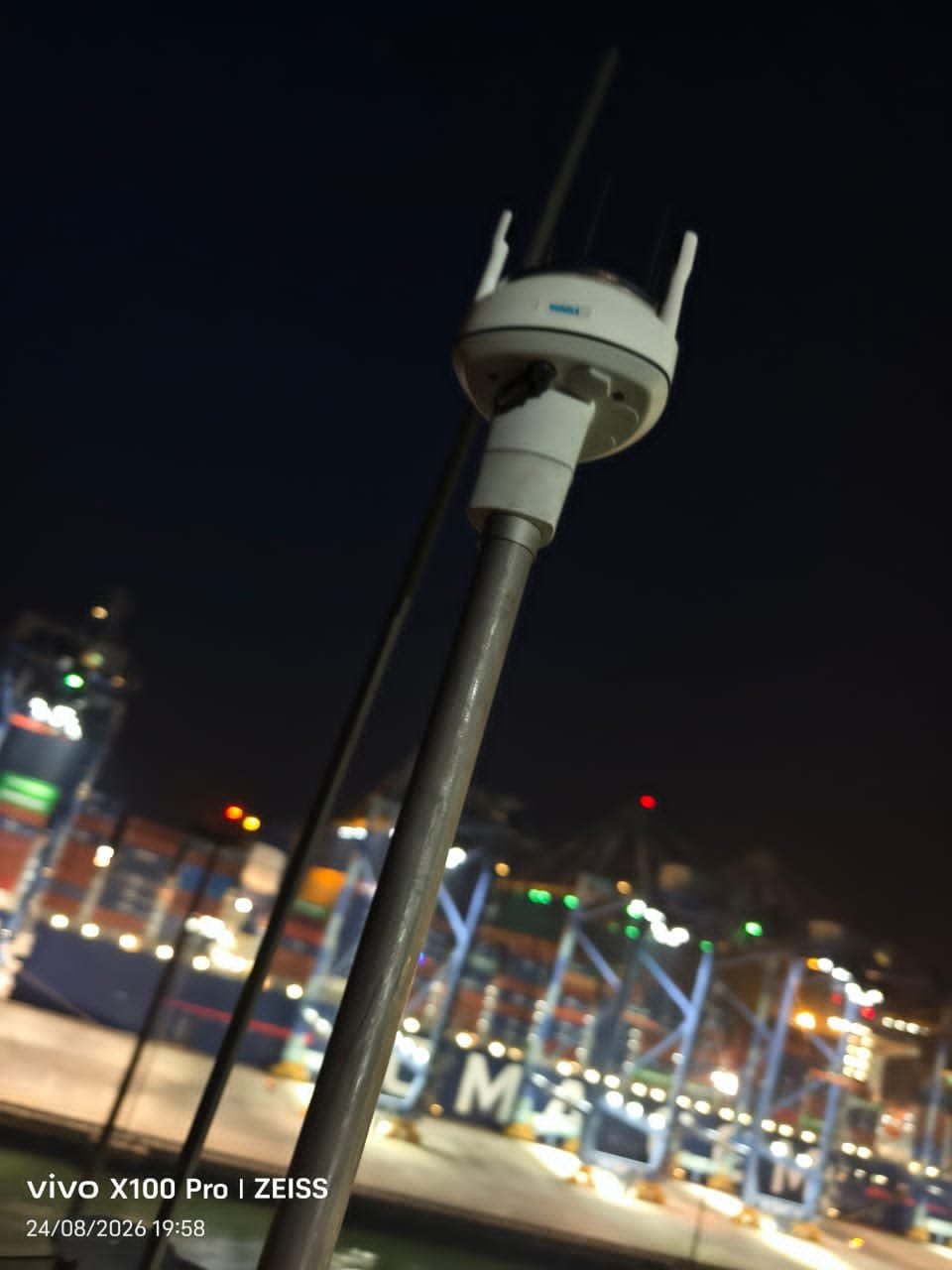
What should an offshore weather station measure?
| Parameter | Operational value | Typical offshore use |
|---|---|---|
| Wind speed and direction | Shows sustained wind, gusts and rapid directional change | Lifting, helidecks, vessel approach, crane limits and work-at-height decisions |
| Air temperature | Supports weather awareness and equipment operating decisions | Deck operations, HVAC intake conditions and meteorological reporting |
| Relative humidity | Helps indicate condensation, fog and corrosion-related conditions | Operational weather, equipment protection and dew-point assessment |
| Barometric pressure | Provides pressure tendency and supports corrected weather reports | Meteorological observation, aviation and storm awareness |
| Rainfall | Shows precipitation intensity and accumulation | Deck safety, drainage, maintenance and local weather reporting |
| Visibility and present weather | Indicates the effect of fog, haze and precipitation on visibility | Helicopter and marine operations where visibility is safety-critical |
| Wave, vessel motion and position | Provides context or correction for measurements made on a moving structure | Shipboard true-wind calculation, dynamic positioning and marine operations |
Choose the Vaisala instrument by application
| Requirement | Product image | Recommended Vaisala solution | Why it fits |
|---|---|---|---|
| Reference-grade wind measurement | 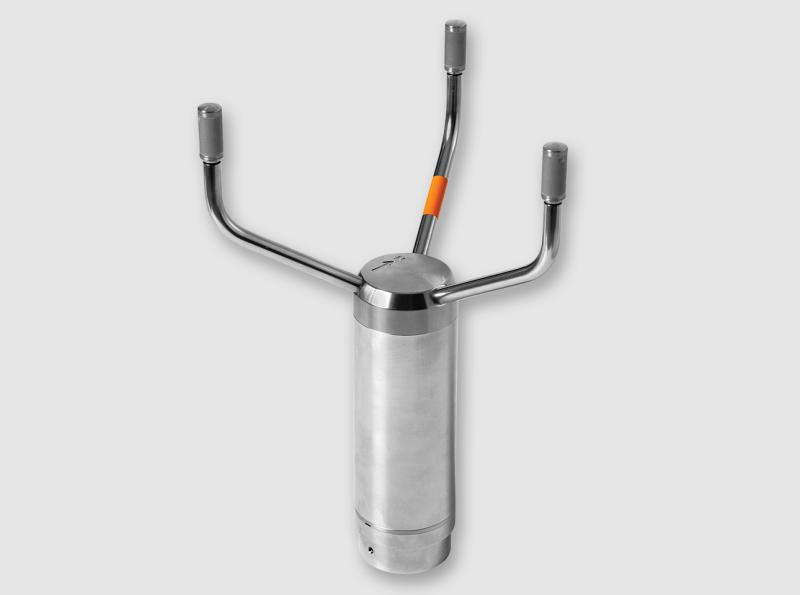 |
WMT700 WINDCAP Ultrasonic Wind Sensor | Professional wind-speed and direction measurement for meteorology, maritime and demanding exposed sites |
| Compact multiparameter station | 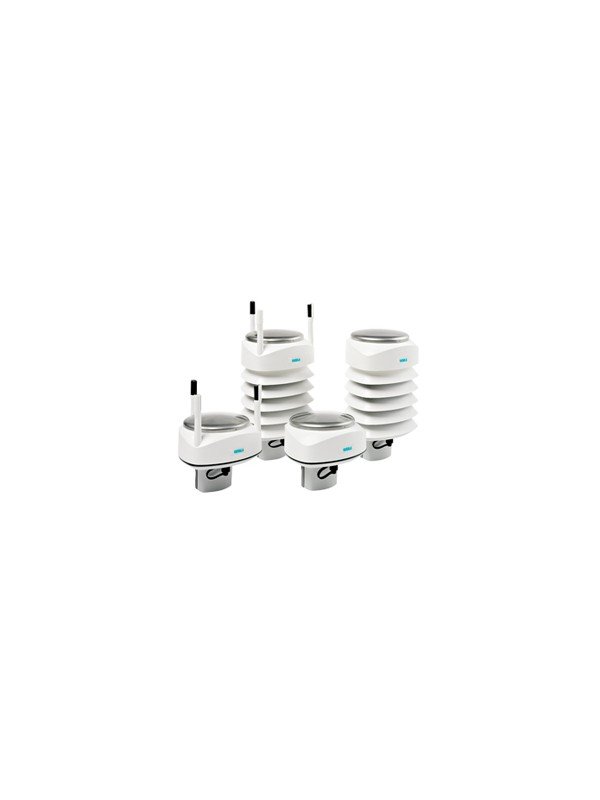 |
WXT530 Series Weather Transmitter | Combines selected wind, rainfall, pressure, temperature and humidity measurements in one compact platform |
| Meteorological humidity and temperature |  |
HMP155 Probe | Dedicated high-performance outdoor humidity and temperature measurement with suitable shielding |
| Dedicated barometric pressure | 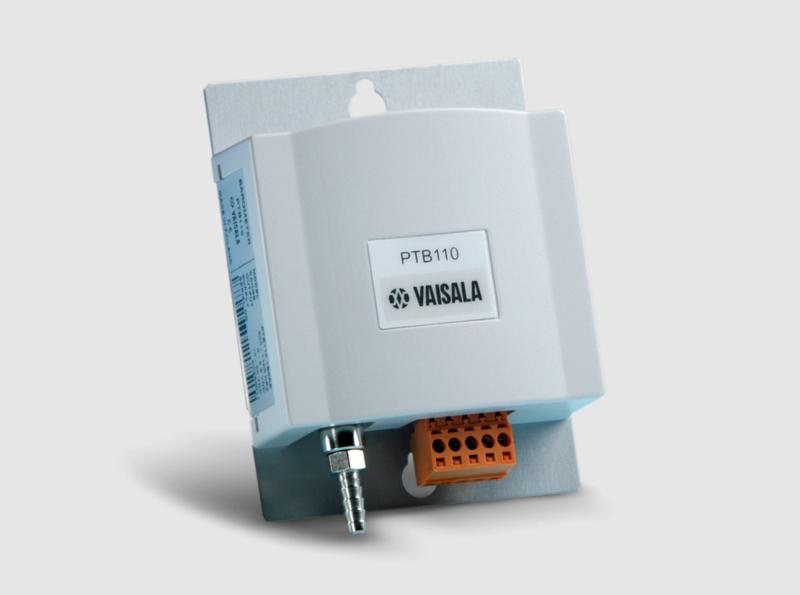 |
PTB110 Barometric Pressure Transmitter | Compact pressure measurement for integration into weather and marine systems |
| Helideck or integrated maritime observation | 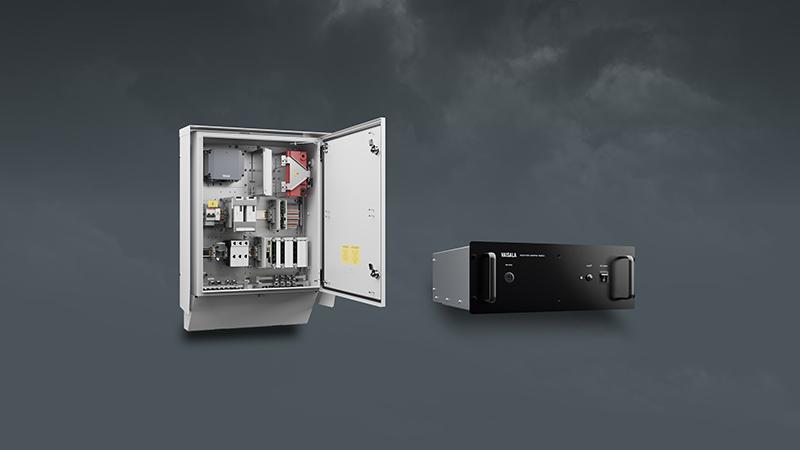 |
AWS830 reference architecture | Reference only for understanding a larger maritime station with multiple sensors, communications and operational displays; not offered by Seacom on this page |
| Visibility and present weather | 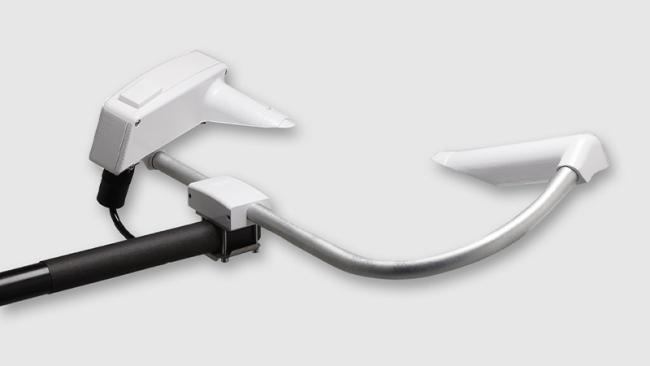 |
Vaisala PWD reference | Adds meteorological visibility and present-weather information where required by the operational standard |
AWS830 as a system-design reference
The Vaisala AWS830 illustrates how a larger maritime or helideck weather system can combine multiple sensors, data processing, communications, operational displays and system-health monitoring.
AWS830 is included here for technical reference only and is not part of Seacom’s offered product scope. For a Seacom project, the actual solution will be built around the required measurements and the instruments available for supply, such as WMT700, WXT530, HMP155 and suitable barometric-pressure or integration equipment.
WMT700 for demanding offshore wind measurement
The Vaisala WMT700 measures horizontal wind speed and direction using ultrasonic technology. With no cups or wind vane, there are no conventional moving parts to wear, seize or respond slowly after long exposure.
Its stainless-steel construction and wide wind-measurement capability make it suitable for professional meteorology and exposed marine locations. The system designer can select heating, communication, mounting and output arrangements according to the site conditions and receiving system.
- Ultrasonic measurement: Measures wind without mechanical cups or a vane.
- Fast response: Captures changing winds and gusts important to offshore operations.
- Rugged construction: Intended for demanding professional installations.
- Flexible integration: Supports several digital and analogue communication arrangements.
- Heating options: Can be selected for sites where icing or freezing precipitation is a credible risk.
WMT700 or WXT530?
Choose WMT700 when wind is the critical measurement and professional wind performance is the priority. Choose WXT530 when a compact station must measure several weather parameters and the project does not require a separate reference-grade wind instrument.
WXT530 for compact multiparameter monitoring
The Vaisala WXT530 Series provides different combinations of six common weather parameters: wind speed, wind direction, rainfall, barometric pressure, air temperature and relative humidity.
Its compact construction is useful where space, weight, power consumption and installation effort matter. Solid-state wind and precipitation measurement reduces the number of moving parts and routine mechanical maintenance tasks.
Select the exact WXT530 model from the parameters actually required. Not every model measures all six parameters, and the power, heating, interface, cable and mounting options must match the complete system.
HMP155 for meteorological humidity and temperature
When humidity and temperature quality are important enough to justify dedicated sensors, the Vaisala HMP155 provides meteorological-grade measurement for automatic weather stations and exposed environmental sites.
A suitable radiation shield protects the measurement from direct solar heating and precipitation while allowing representative airflow. For persistently humid conditions, optional probe warming can reduce condensation on the humidity sensor when paired with the required ambient-temperature measurement arrangement.
Offshore maintenance should include inspection for salt deposits, blocked shield passages, insects, filter contamination, cable damage and corrosion around mounting hardware.
Relative wind and true wind are not the same
A sensor mounted on a fixed platform measures wind relative to that fixed location. A sensor on a moving vessel measures apparent or relative wind affected by vessel speed, heading and motion.
To calculate true wind on a moving vessel, the system needs correctly time-aligned wind, heading and speed information. More demanding installations may also require motion compensation using suitable pitch, roll and heave data.
| Reported value | Meaning | Important input |
|---|---|---|
| Relative wind | Wind speed and direction relative to the vessel or structure | Correct sensor orientation and local heading reference |
| True wind | Calculated wind relative to north or the earth | Relative wind plus synchronised vessel heading and speed |
| Motion-corrected wind | Wind calculation accounting for platform or vessel movement | Suitable motion-reference, position and timing data |
Sensor location can matter more than the datasheet
A high-quality wind sensor installed in turbulent air will faithfully report the turbulence created by the structure. Position the sensor where cranes, exhausts, flare structures, masts, helideck screens and nearby equipment have the least possible influence.
- Mount wind sensors above or away from major obstructions where practical.
- Review the prevailing operational wind directions and structural wake zones.
- Keep temperature and humidity sensors away from hot exhaust, ventilation discharge and sun-heated surfaces.
- Place precipitation sensors where runoff, spray and overhead structures will not distort rainfall.
- Install pressure sensors in a protected enclosure using a suitable static-pressure arrangement.
- Preserve safe maintenance access without placing instruments in the wake of access platforms or handrails.
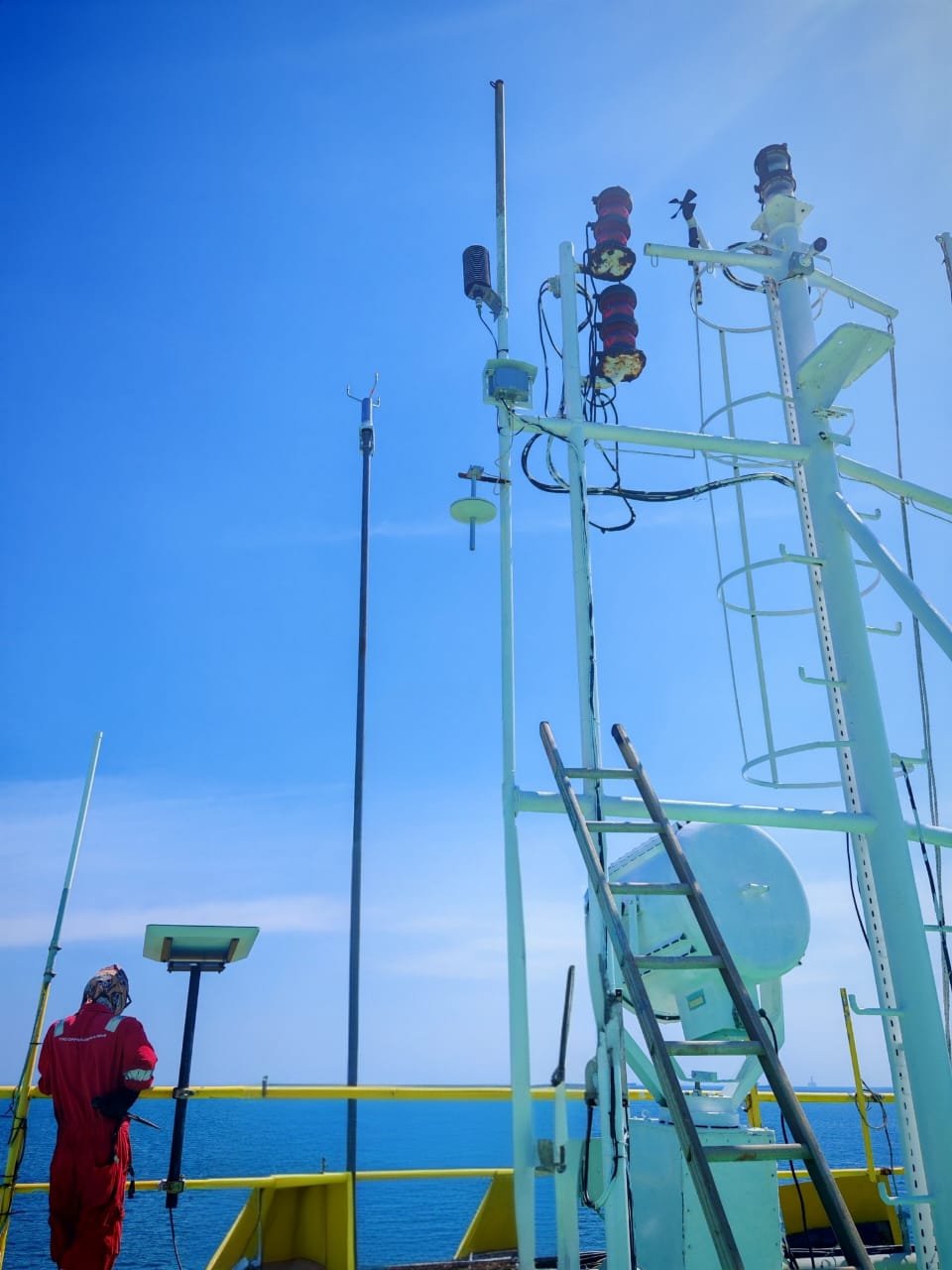
Vaisala offshore weather monitoring supplier in Malaysia
Seacom Process Instruments supplies and supports Vaisala weather instruments in Malaysia for offshore platforms, marine terminals, ports, coastal facilities, vessels, helidecks and industrial weather-monitoring applications.
Our team can assist with WMT700, WXT530 and HMP155 selection, measured parameters, mounting accessories, power, heating, communication, display and data-acquisition requirements. Complete offshore and helideck systems require project-specific review against the operator’s technical and safety standards.
Send us the site type, fixed or moving installation, required parameters, wind range, operating limits, hazardous-area constraints, mounting location, cable distance, power supply, receiving system and applicable marine or aviation standard.