



.png)






Portable Dew Point Meter for Compressed Air: Selection & Spot Checks
Portable Dew Point Measurement for Maintenance Teams
A portable dew point meter helps maintenance teams check compressed air at different locations without installing a permanent sensor at every point. It can support dryer checks, investigations into changing moisture conditions and comparisons with installed transmitters.
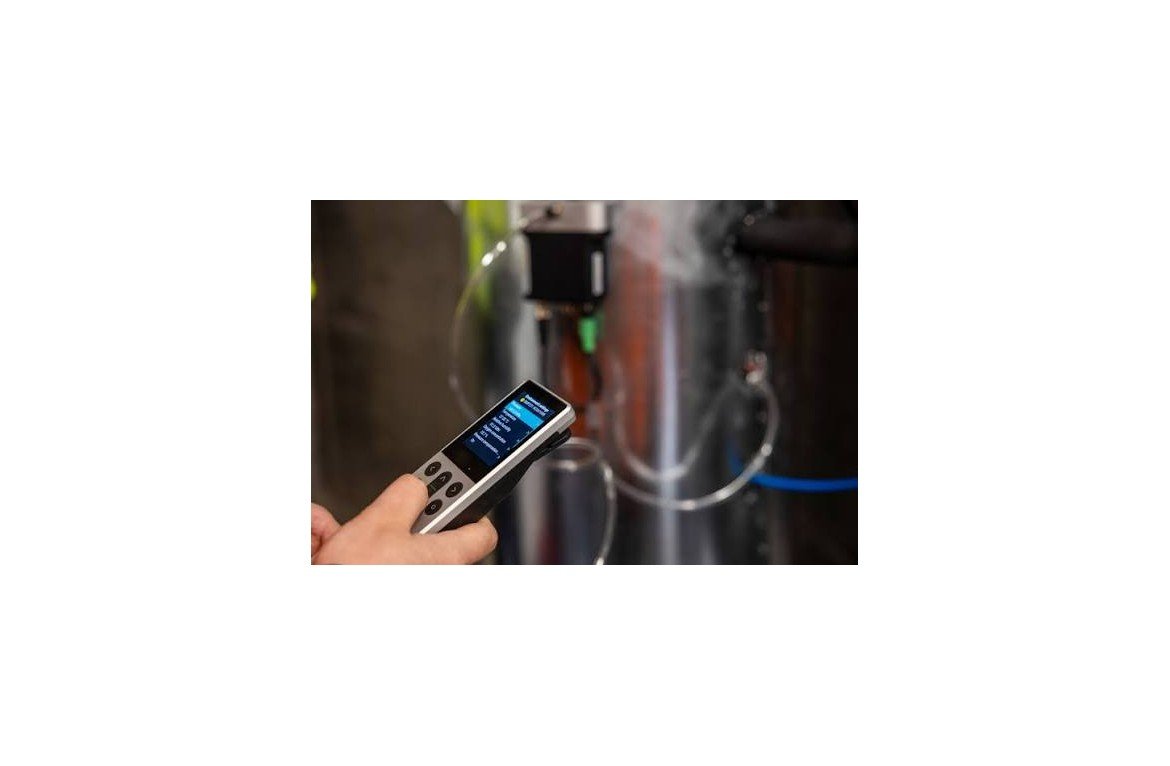
For Vaisala portable dew point measurements, the Indigo80 handheld indicator with a DMP80 probe combines a portable display and data logger with a probe designed for dew point and temperature measurement. The complete measurement system also needs a connection or sampling arrangement suited to your process.
When Is a Portable Dew Point Meter Useful?
- Checking a dryer: record outlet conditions during the operating period you need to assess.
- Investigating a moisture complaint: compare selected locations and document where and when the readings were taken.
- Reviewing maintenance results: retain measurements before and after work, together with the operating conditions.
- Checking an installed transmitter: compare readings under matched conditions before deciding whether further investigation is required.
A spot check describes the conditions observed during that check. Where moisture must be watched throughout production, a permanently installed transmitter and suitable monitoring system remain part of the measurement plan.
What to Include in a Portable Measurement Kit
| Component | Purpose | What to confirm |
|---|---|---|
| Indigo80 indicator | Displays readings and records measurement data. | Required logging workflow, compatible cables and charging arrangements. |
| DMP80 probe | Measures dew point and temperature. | Probe variant, required accuracy, measurement range and process limits. |
| Sampling cell or direct connection | Connects the probe to a representative gas sample. | Thread compatibility, pressure rating and an approved installation method. |
| Sampling accessories | Provide a suitable gas path to and from the measuring point. | Tubing, seals and flow-control components appropriate to the application. |
| Calibration documentation | Records the instrument's calibration information. | Certificate requirements and whether calibration points cover your intended use. |
Confirm the contents of the quotation: an indicator, probe, sampling cell and accessories may be separate order items.
Choosing the Probe for Your Dryer
Specify the normal dew point, the driest condition you need to measure and the wetter conditions you may encounter during troubleshooting. A refrigerated dryer and a low-dew-point desiccant dryer may require different probe selections.
Check accuracy at the dew point that matters to your process. Also review gas temperature, maximum pressure and the conditions the probe will encounter between measurements. Select the DMP80 variant from its current specifications rather than assuming every probe configuration has the same capabilities.
Getting a Representative Compressed Air Sample
Measurement pressure matters. Air measured after expansion has a different dew point from air at line pressure. Record the pressure at the sensor, and compare readings on the same pressure basis.
Use short, leak-tight sample lines made from suitable materials, preferably stainless steel for dry measurements. Avoid moisture-absorbing hoses, stagnant sections and condensation in the sample line. Purge the sampling arrangement with process gas and allow the reading to stabilise before recording a result.
Choose compatible, pressure-rated fittings and follow the probe and sampling-cell instructions for connection, flow and disconnection. The installation method must suit the actual process conditions.
What to Record During a Spot Check
Use a consistent record so another technician can understand and repeat the check:
- Measurement location, date and time.
- Instrument and probe identification.
- Dew point reading and measurement pressure.
- Dryer operating condition and relevant production load.
- Sampling arrangement and whether the reading had stabilised.
- Logging duration and any changes observed during the check.
If an issue occurs intermittently, plan the recording period around the conditions in which it happens. One stable reading taken at a quiet time may not answer a question about performance during peak production.
Comparing a Portable Meter with a Fixed Transmitter
Before interpreting a difference, check whether both instruments are measuring the same gas at the same pressure and have reached stable conditions. Review the sampling arrangement and calibration information for each instrument.
A difference is a reason to investigate; it does not identify which instrument needs adjustment. A field comparison should follow a defined procedure with suitable reference accuracy and acceptance criteria before it is used for calibration decisions.
For the wider choice between permanent and portable measurement, read our guide to dew point measurement in compressed air.
Explore Dew Point Meters and Transmitters
Compare the wider range of dew point meters, sensors and transmitters supplied by Seacom to review instruments for portable checks, continuous monitoring and industrial drying applications.
Discuss Your Portable Dew Point Measurement Application with Seacom
Seacom Process Instruments Sdn Bhd can help you select a Vaisala portable dew point measurement system for your compressed air application. Send us your dryer type, operating pressure, target dew point and measurement locations so we can review a suitable probe, indicator and sampling arrangement.
Email: seacom@seacom.com.my
WhatsApp: +60 16 208 0697
All comments