- Out-of-Stock
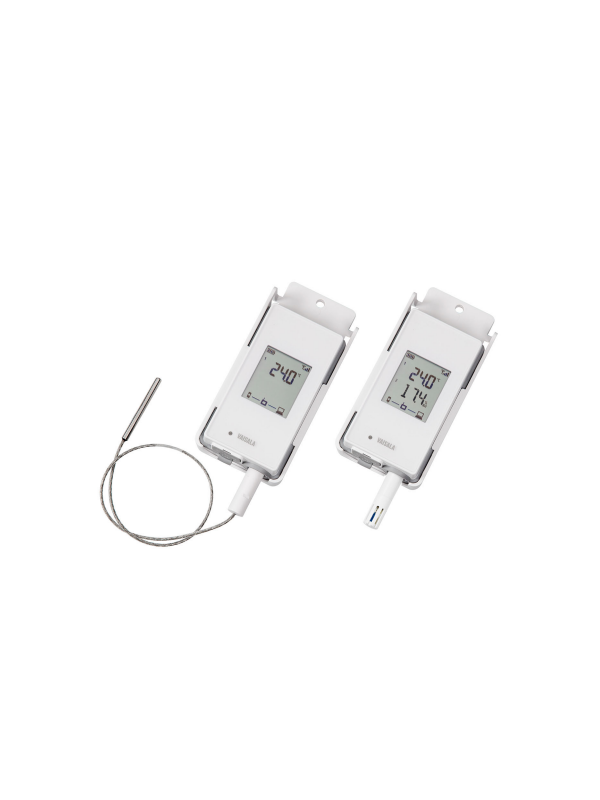
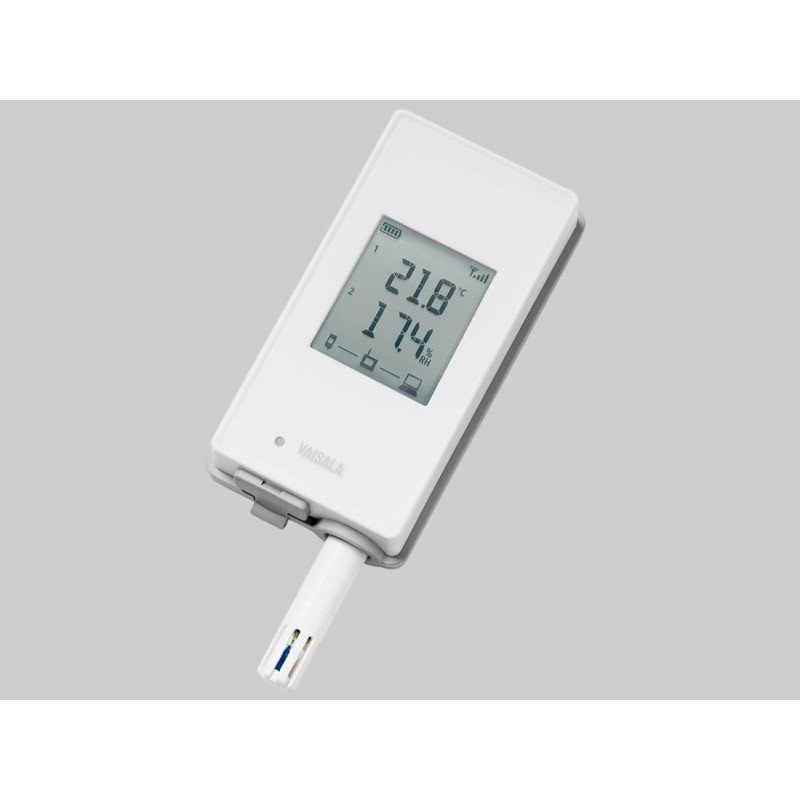
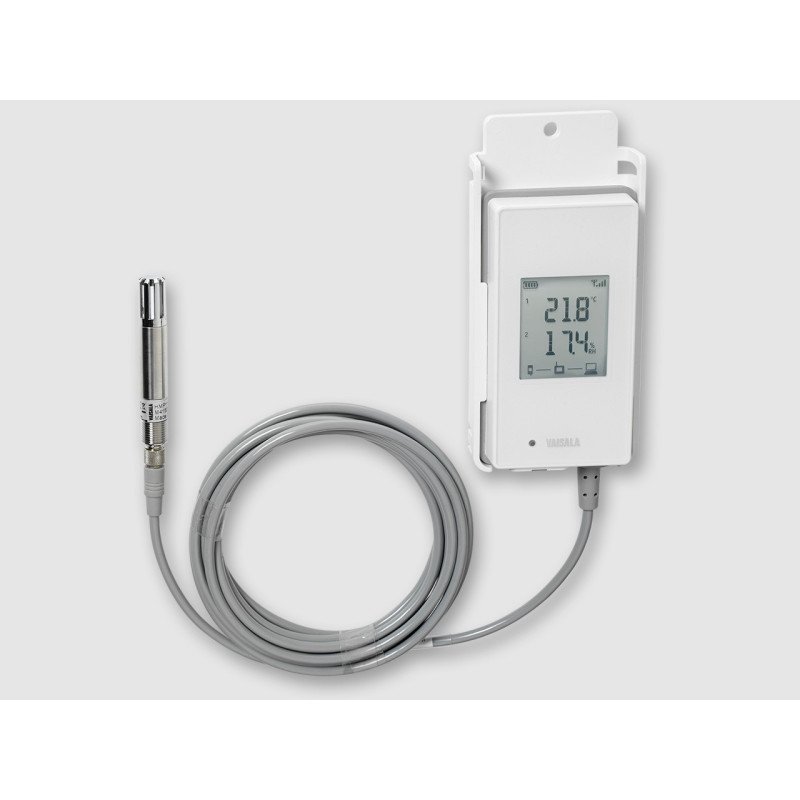
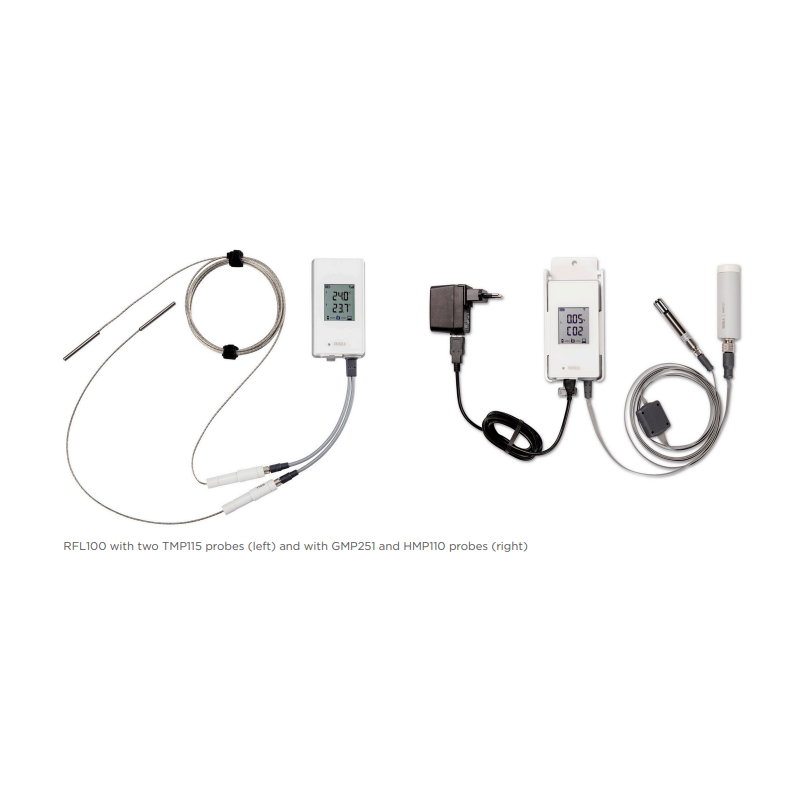
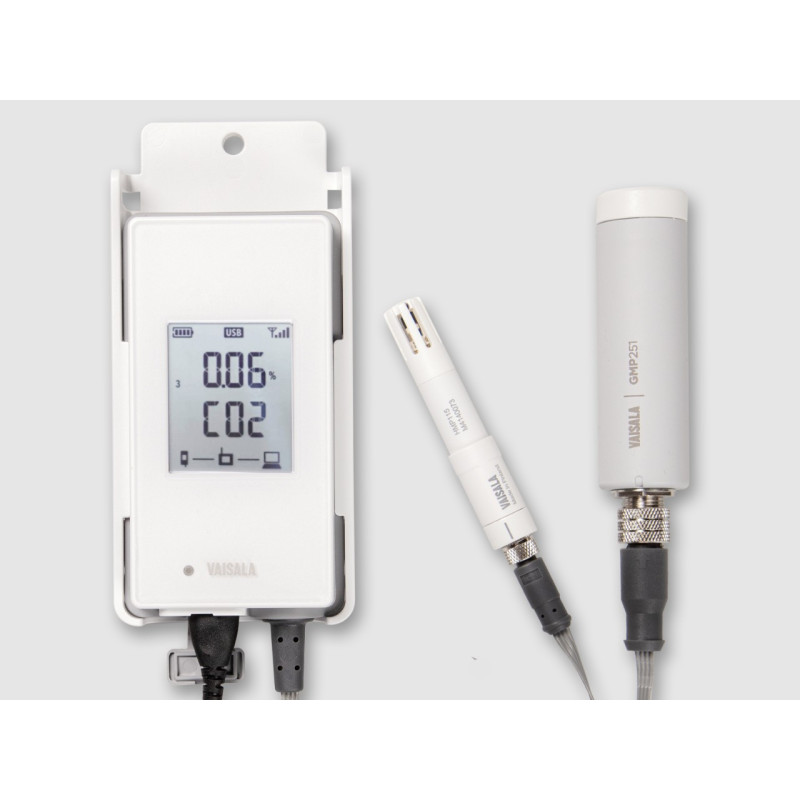
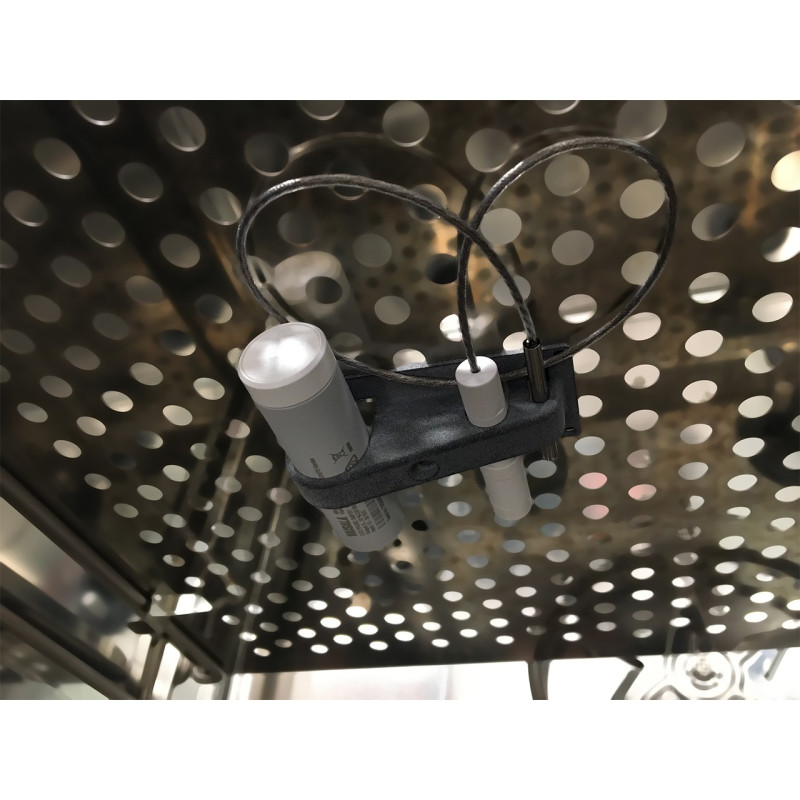
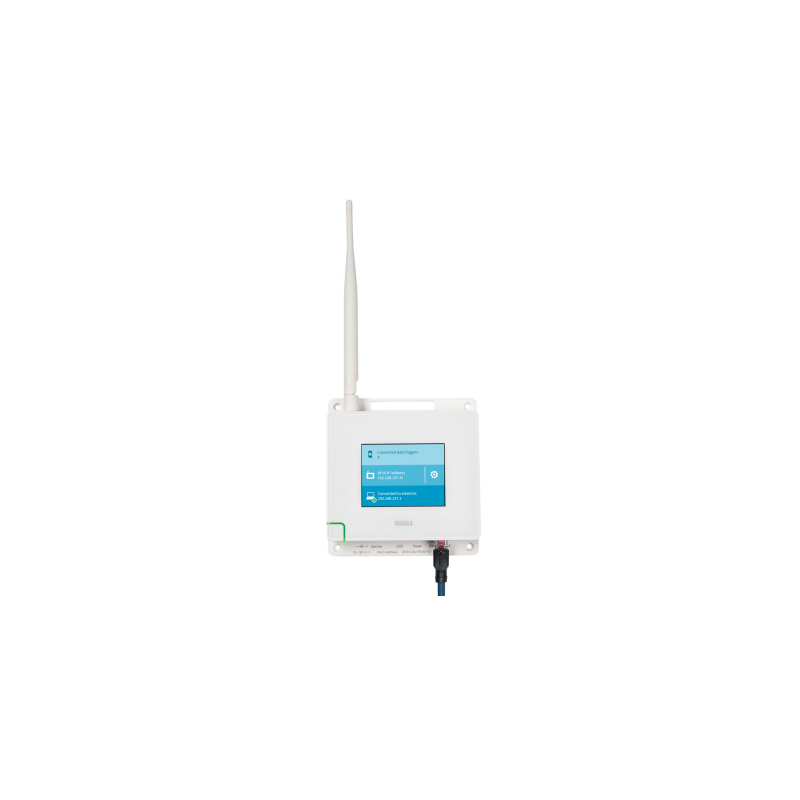
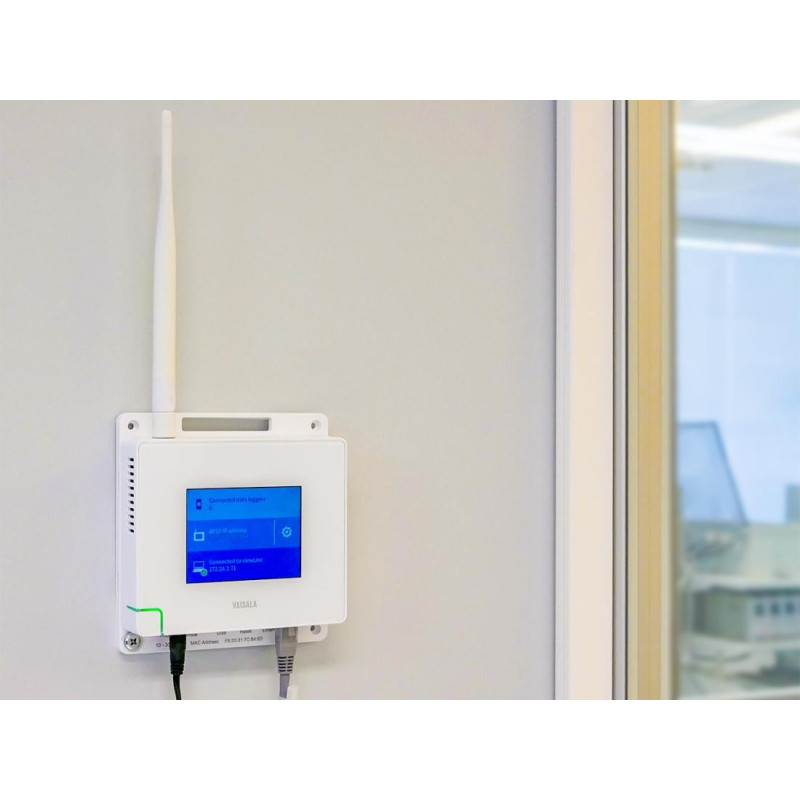
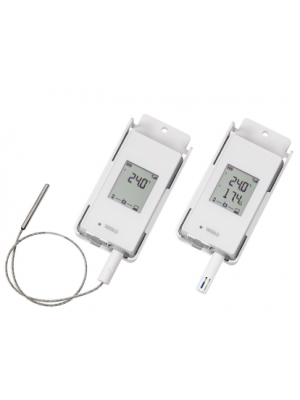
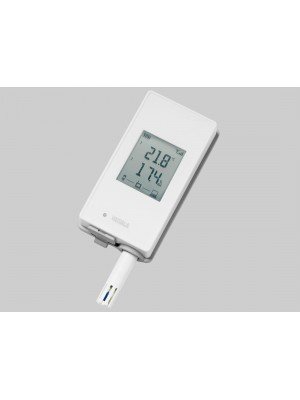
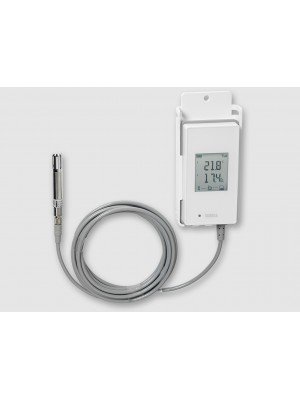
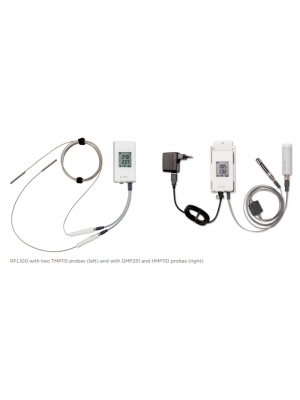
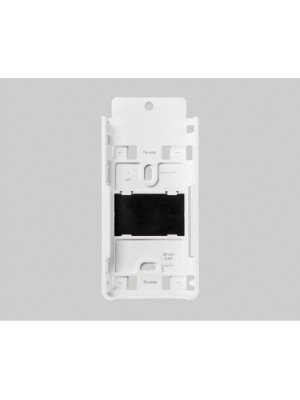
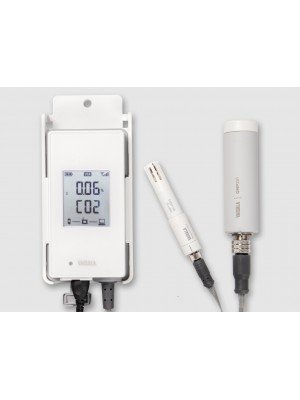
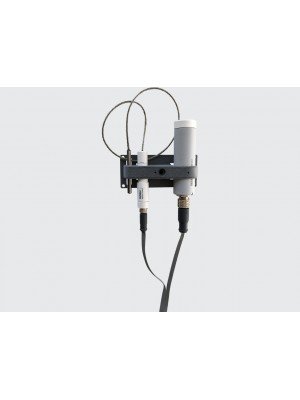
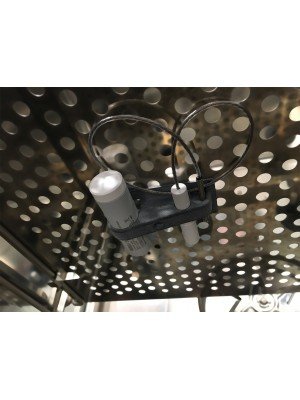
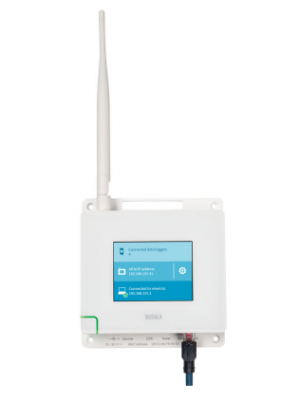
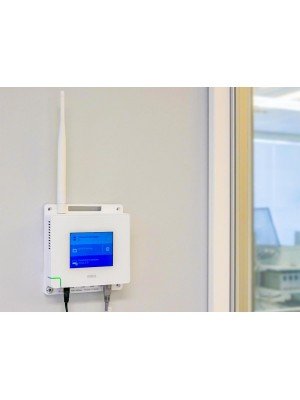



The Vaisala RFL100 uses secure, long-range VaiNet wireless technology to monitor temperature, relative humidity and carbon dioxide with the AP10 Access Point and viewLinc Continuous Monitoring System.
The Vaisala RFL100 is a long-range wireless data logger designed for continuous environmental monitoring in pharmaceutical facilities, biotechnology laboratories, cleanrooms, warehouses, cold rooms, freezers, incubators and other controlled environments.
RFL100 data loggers use Vaisala's proprietary VaiNet wireless technology to send measurements to the Vaisala AP10 Access Point. The AP10 then transfers the measurement data through the facility's Ethernet network to the Vaisala viewLinc Continuous Monitoring System.
The system supports reliable monitoring of temperature, relative humidity and carbon dioxide while maintaining local measurement records during temporary network or power interruptions.
| System Component | Function |
|---|---|
| Measurement Probe | Measures temperature, relative humidity or carbon dioxide at the monitoring location |
| RFL100 Data Logger | Records measurements locally and transmits them through the VaiNet wireless network |
| AP10 Access Point | Receives measurements from up to 32 RFL100 data loggers and transfers the data over Ethernet |
| viewLinc Enterprise Server | Provides centralized monitoring, alarms, audit trails, reports and user administration |
| Alarm Notification System | Notifies designated users through configured methods when measurement limits are exceeded |
| Configuration | Compatible Probe | Typical Measurement Range | Application |
|---|---|---|---|
| Humidity and Temperature | HMP115 | 0–100% RH and -40 °C to +60 °C | Warehouses, laboratories, cleanrooms and general controlled environments |
| Humidity and Temperature | HMP110 | 0–100% RH and -40 °C to +80 °C | Demanding humidity and temperature applications |
| Temperature Only | HMP115T | -40 °C to +60 °C | Refrigerators, freezers, cold rooms and incubators |
| Temperature Only | HMP110T | -40 °C to +80 °C | Demanding temperature-monitoring applications |
| Wide-Range Temperature | TMP115 | Suitable for cryogenic monitoring down to approximately -196 °C | Ultra-low-temperature freezers, liquid-nitrogen tanks and cryogenic storage |
| Carbon Dioxide | GMP251 | 0–20% CO₂ | Incubators, laboratories and life-science facilities |
| Dual Temperature | Two compatible temperature probes with probe splitter | Depends on the selected probes | Combined refrigerator and freezer or multi-point temperature monitoring |
The final measurement range, accuracy and operating conditions depend on the selected probe and accessories.
| Wireless Feature | Specification |
|---|---|
| Wireless Technology | Vaisala VaiNet |
| Modulation | Chirp spread-spectrum modulation |
| Maximum Radio Output | 20 mW or 13 dBm |
| Antenna | Internal antenna |
| Typical Indoor Range | At least 50 m, depending on building construction and installation conditions |
| Open Line-of-Sight Range | More than 500 m under suitable conditions |
| Available Frequency Bands | 500, 868, 915, 920 and 922 MHz, depending on regional model |
| Measurement Sampling | Once per channel per minute |
| Wireless Data Transmission | Measurement data is normally transmitted to the AP10 every four minutes |
| Feature | Specification |
|---|---|
| Local Memory Capacity | 30 days or 43,200 samples per measurement channel |
| Memory Type | Non-volatile EEPROM |
| Memory Operation | First-in, first-out ring buffer |
| Sampling Rate | One sample per channel per minute |
| Main Batteries | Two AA 1.5 V alkaline or lithium batteries |
| Internal Clock Battery | CR 1/3N 3 V lithium battery |
| Typical RH and Temperature Battery Life | Approximately 18 months at +20 °C |
| Typical CO₂ Battery Operation | Approximately 12 hours with lithium batteries; external power is recommended for continuous CO₂ monitoring |
| Internal Clock Accuracy | ±30 seconds per month with synchronization through the network time server |
| Feature | Specification |
|---|---|
| Storage Temperature | -40 °C to +60 °C |
| Operating Temperature with Alkaline Batteries | +2 °C to +60 °C |
| Operating Temperature with Lithium Batteries | -20 °C to +60 °C |
| Operating Temperature with External Power | 0 °C to +60 °C |
| Operating Humidity | 0–100% RH, non-condensing |
| Protection Rating | IP54 when battery powered |
| Protection with External Power Connected | IP20 |
| Probe Connection | Four-pin female M8 connector |
| Service Connection | USB 2.0 through a Micro-USB connector |
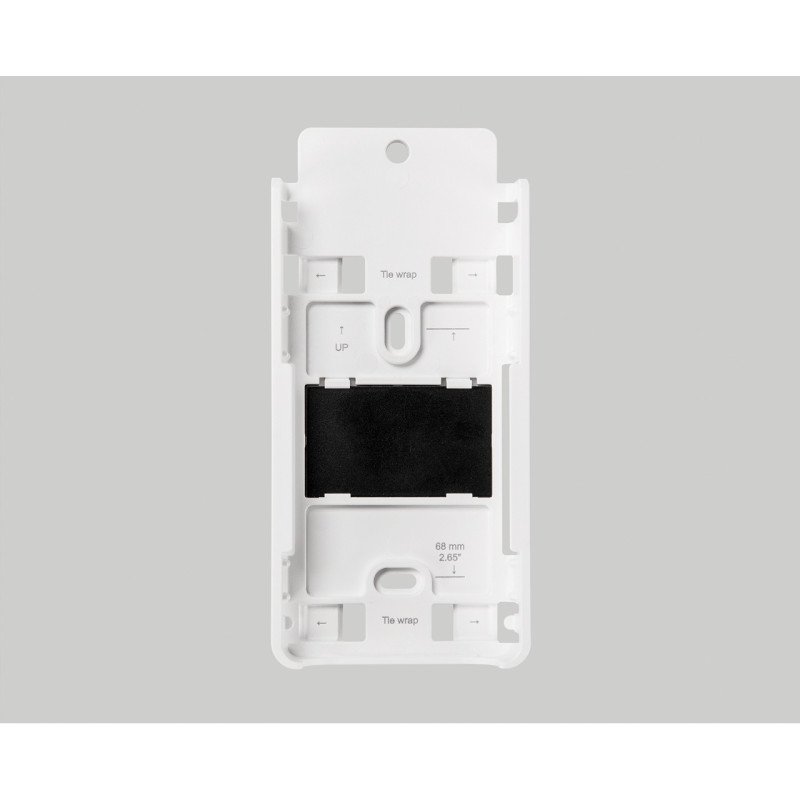
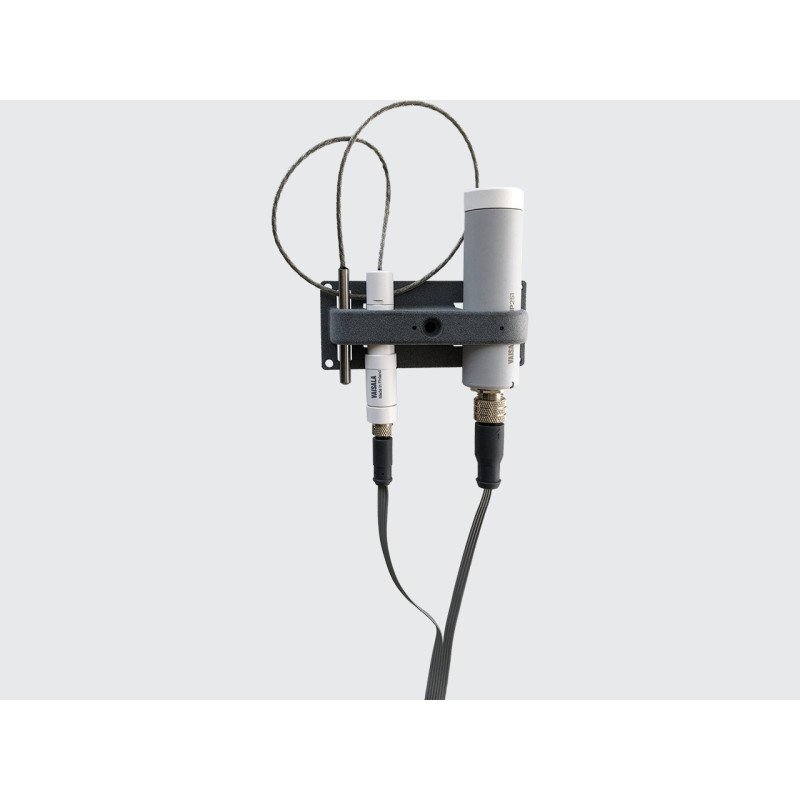
| Mounting Options | Screws, cable ties, mounting hook or optional magnetic bracket |
| Dimensions with HMP115 Probe | 158 × 62 × 31 mm without mounting bracket |
| Dimensions with Mounting Bracket | 186 × 68 × 36.5 mm |
| Approximate Weight | 190 g with batteries and HMP115 probe |
The Vaisala AP10 is the communications gateway between RFL100 wireless data loggers and the viewLinc server. It receives VaiNet measurement data and transfers it to the monitoring server through an Ethernet connection.
Each AP10 supports up to 32 compatible wireless devices. Additional AP10 access points can be installed to increase wireless coverage and monitoring capacity throughout larger facilities.
| Feature | Specification |
|---|---|
| Wireless Technology | Vaisala VaiNet |
| Wireless Device Capacity | Up to 32 RFL100 data loggers per AP10 |
| Typical Indoor Range | At least 100 m, depending on installation conditions |
| Maximum Access Points in a Standard Area | Up to 8 |
| Maximum Access Points in a Large System | Up to 32, subject to large-system installation requirements |
| Compatible Software | viewLinc Enterprise Server 5.0 and later |
| Local User Interfaces | Touchscreen and web-browser interface |
| Time Synchronization | Network Time Protocol server connection |
| Ethernet Standards | 10BASE-T and 100BASE-TX |
| IP Address Configuration | DHCP or static IPv4 address |
| Ethernet Connector | RJ-45 |
| Power Options | Power over Ethernet or 10–30 V DC power supply |
| Feature | Specification |
|---|---|
| Operating Environment | Indoor use |
| Operating Temperature | -20 °C to +60 °C |
| Storage Temperature | -20 °C to +60 °C |
| Operating Humidity | 0–90% RH, non-condensing |
| Protection Rating | IP30 |
| Maximum Power Consumption | 13 W |
| PoE Power Class | Class 0 |
| Mounting Methods | Screws or cable ties |
| Dimensions | Approximately 311 × 133 × 37 mm, depending on regional model |
| Weight | Approximately 386 g |
When integrated with the viewLinc Continuous Monitoring System, the RFL100 and AP10 provide a complete monitoring, alarming and reporting solution for regulated facilities.
| Interruption | System Response |
|---|---|
| Temporary Wireless Interruption | The RFL100 continues recording measurements in its local memory |
| AP10 Communication Restored | Stored measurement records are automatically transferred through the VaiNet network |
| Ethernet Network Interruption | The measurement devices continue recording independently at the monitoring locations |
| Server Interruption | Local device memory protects measurement records until communication is restored |
| Power Failure at Monitoring Point | Battery-powered RFL100 temperature and humidity loggers continue operating independently |
| Monitoring Requirement | Recommended Configuration |
|---|---|
| Room temperature and humidity | RFL100 with HMP115 or HMP110 probe |
| Refrigerator or cold-room temperature | RFL100 with HMP115T or HMP110T probe |
| Two temperature compartments | RFL100 with two temperature probes and compatible probe splitter |
| Ultra-low freezer monitoring | RFL100 with TMP115 wide-range temperature probe |
| Liquid-nitrogen monitoring | RFL100 with a suitable TMP115 cryogenic configuration |
| CO₂ incubator monitoring | RFL100 with GMP251, suitable splitter and continuous external power |
| Small wireless system | One AP10 with up to 32 RFL100 data loggers |
| Large facility or multiple floors | Multiple AP10 access points positioned according to a wireless site assessment |
Seacom Process Instruments supplies and supports the Vaisala RFL100 wireless data logger, AP10 VaiNet Access Point and viewLinc Continuous Monitoring System in Malaysia.
Our team can assist with monitoring-point selection, wireless coverage assessment, system architecture, installation, commissioning, calibration and GxP validation documentation.
Contact Seacom for an RFL100 and AP10 configuration suitable for pharmaceutical warehouses, cleanrooms, laboratories, hospitals, cold rooms, freezers, incubators and other regulated environments.
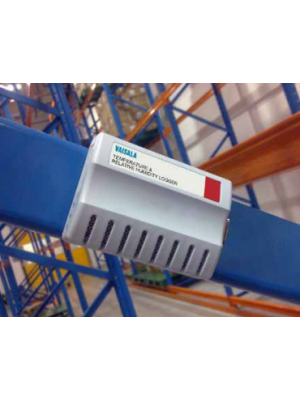
Vaisala DL1000, DL1400, DL1016 and DL1416 temperature data loggers provide reliable, traceable monitoring for refrigerators, freezers, cold rooms, incubators and regulated facilities.
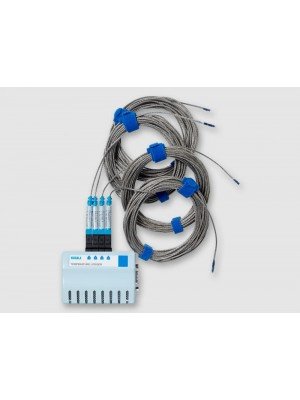
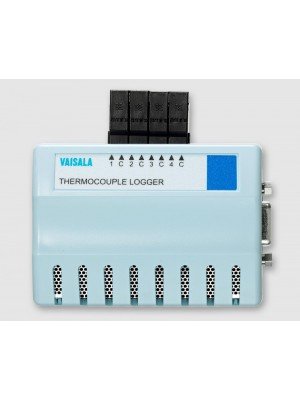
The Vaisala DL1700 is a four-channel thermocouple data logger for continuous monitoring and validation work at extreme temperatures.
The Vaisala DL2000 combines precision temperature and relative-humidity monitoring with optional analog or door-contact inputs for viewLinc systems.
The Vaisala DL4000 records current or voltage signals from industrial transmitters and brings pressure, flow, level, pH, moisture, gas concentration and other process measurements into viewLinc.
The Vaisala HMT140 Wi-Fi Data Logger has been discontinued and is no longer recommended for new monitoring systems.
The Vaisala VDL200 is a secure Power-over-Ethernet data logger for monitoring temperature, relative humidity, carbon dioxide and analog or Boolean inputs in controlled and GxP-regulated environments.
Designed for the Vaisala viewLinc Continuous Monitoring System, the VDL200 combines interchangeable smart probes, onboard memory and battery backup to provide reliable, gap-free environmental monitoring.
Vaisala viewLinc provides continuous monitoring, alarming and reporting for temperature, humidity, CO₂, differential pressure and other critical parameters in GxP-regulated and demanding industrial environments.
The Vaisala PDT101 and PDT102 provide precise low differential-pressure measurement for cleanrooms, isolation rooms, regulated facilities, data centres and air-handling systems.
The Vaisala DL1700 is a four-channel thermocouple data logger for continuous monitoring and validation work at extreme temperatures.
Vaisala DL1000, DL1400, DL1016 and DL1416 temperature data loggers provide reliable, traceable monitoring for refrigerators, freezers, cold rooms, incubators and regulated facilities.
Vaisala viewLinc provides continuous monitoring, alarming and reporting for temperature, humidity, CO₂, differential pressure and other critical parameters in GxP-regulated and demanding industrial environments.
The Vaisala HMT140 Wi-Fi Data Logger has been discontinued and is no longer recommended for new monitoring systems.
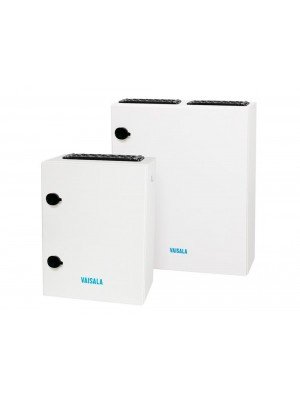
The Vaisala CAB100 centralises differential-pressure transmitters, analog inputs and interface components for cleanroom and industrial monitoring with the viewLinc Continuous Monitoring System.
The Vaisala VDL200 is a secure Power-over-Ethernet data logger for monitoring temperature, relative humidity, carbon dioxide and analog or Boolean inputs in controlled and GxP-regulated environments.
Designed for the Vaisala viewLinc Continuous Monitoring System, the VDL200 combines interchangeable smart probes, onboard memory and battery backup to provide reliable, gap-free environmental monitoring.
The Vaisala DL2000 combines precision temperature and relative-humidity monitoring with optional analog or door-contact inputs for viewLinc systems.
The Vaisala DL4000 records current or voltage signals from industrial transmitters and brings pressure, flow, level, pH, moisture, gas concentration and other process measurements into viewLinc.